Last week I spent two mornings messing around the Allegheny River. I fished some, I explored some and I looked for anything of interest to photograph.
I was fishing directly below the dam and I was catching rock bass very often due to the very swift current situation. Those rock bass were actually ROCKS! I continually snagged and frustrations quickly led to the abandonment of fishing and to the searching of things to photograph. The second morning I did catch some fish with a twenty-inch Catfish being the biggest, however I became very wet since the rain that was suppose to be out of the area by seven in the morning grew heavier. By nine o’clock I was quite dewy.
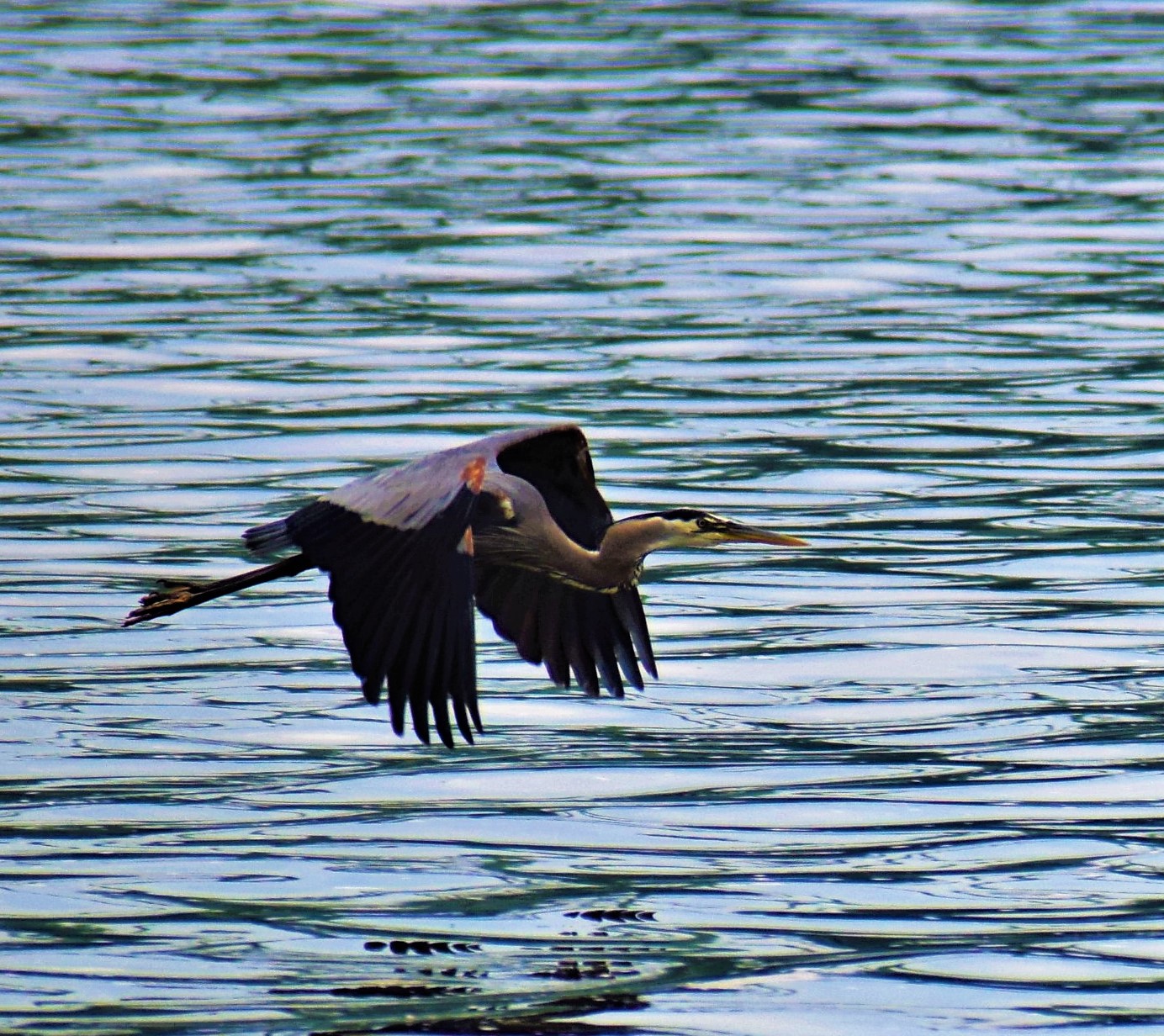
I saw a Great-Blue Heron at times and surprisingly the big bird allowed my presence until the uplift occurred. The heron flew towards my right over the river allowing for many “in-flight” shots. I included a few here. Later, I had one of these birds land in the creek behind my house. They like the natural landscaping along the creek to help conceal their presence as they seek minnows for their lunch.
I noticed the Blue False Indigo flowers were blooming, in force, in the sandy soil areas of the river’s bank. I took some photos of these beauts, as well.
The first day of June was a busy day for me. I went for a walk early in the day. Upon my return, I did some power washing of the gazebo and cleaned the back deck. I sprayed the deck and gazebo roof for mold and mildew. Since rain was being forecasted for several days I mowed my yard and neighbor’s back yard. I saw a doe in the back yard, but no fawn was viewed.
I prepared the basement for some friends coming over for a “jam” session on Wednesday afternoon.
After supper I went for another walk to go fishing at a pond. The catfish were biting good and I caught a number of them One exceptional fighter took a lunge causing the bail to strike my finger rather hard. I was concerned about guitar playing, but this morning it feels well enough.
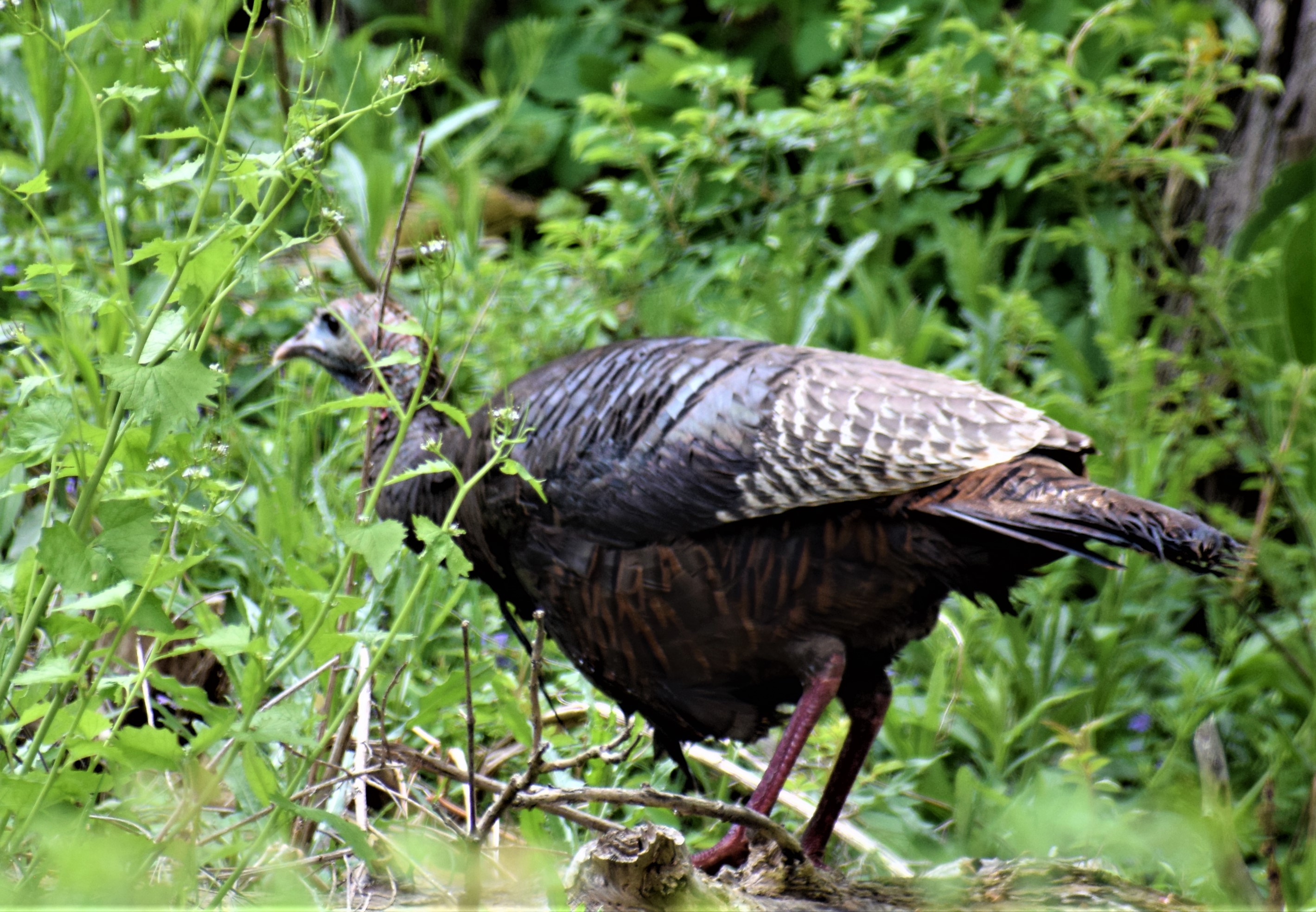
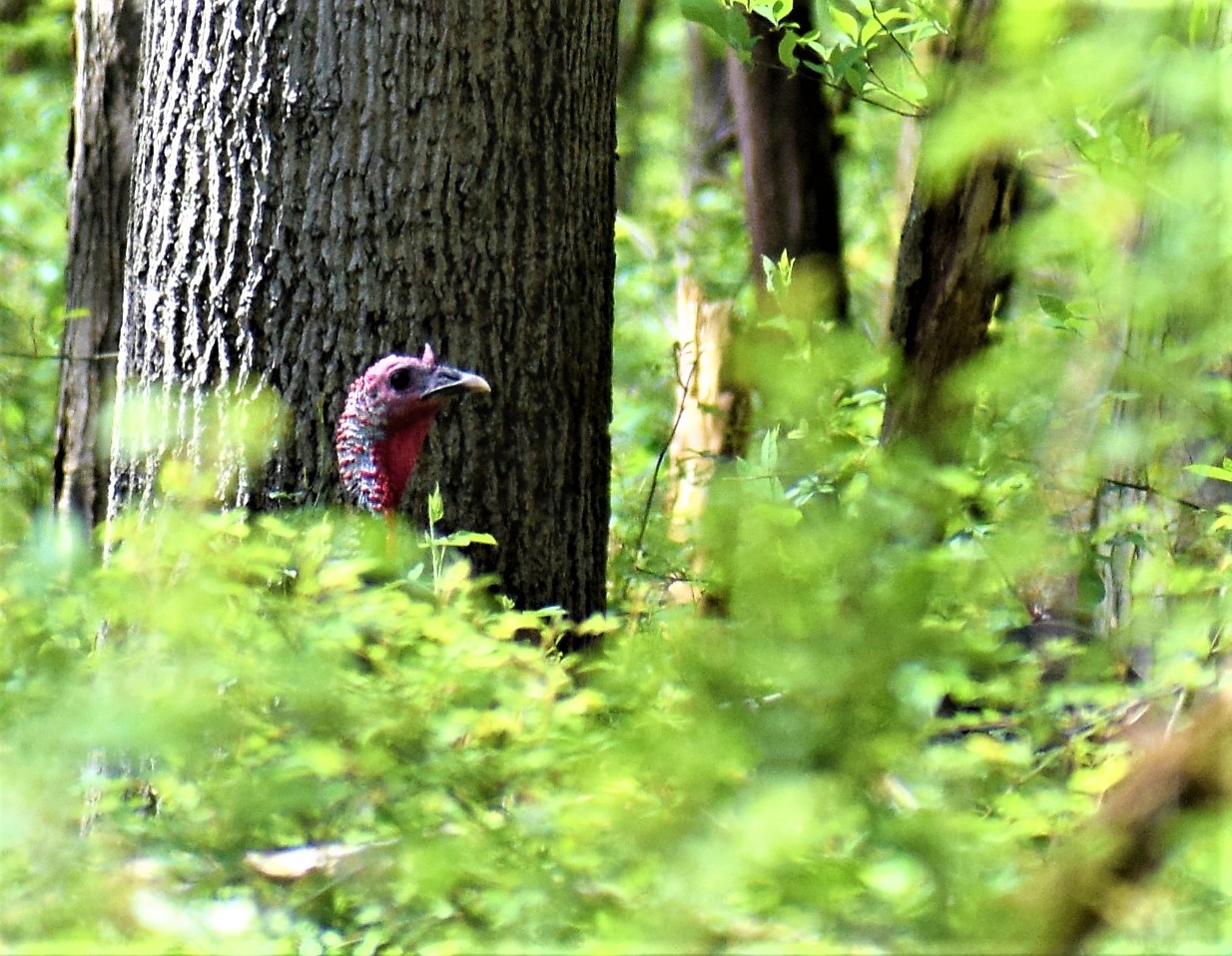
I was walking out towards evening when I heard a gobble just ahead. I would see him walk away after I spooked a mother hen and poults. The little turkeys could have only been a few days old.
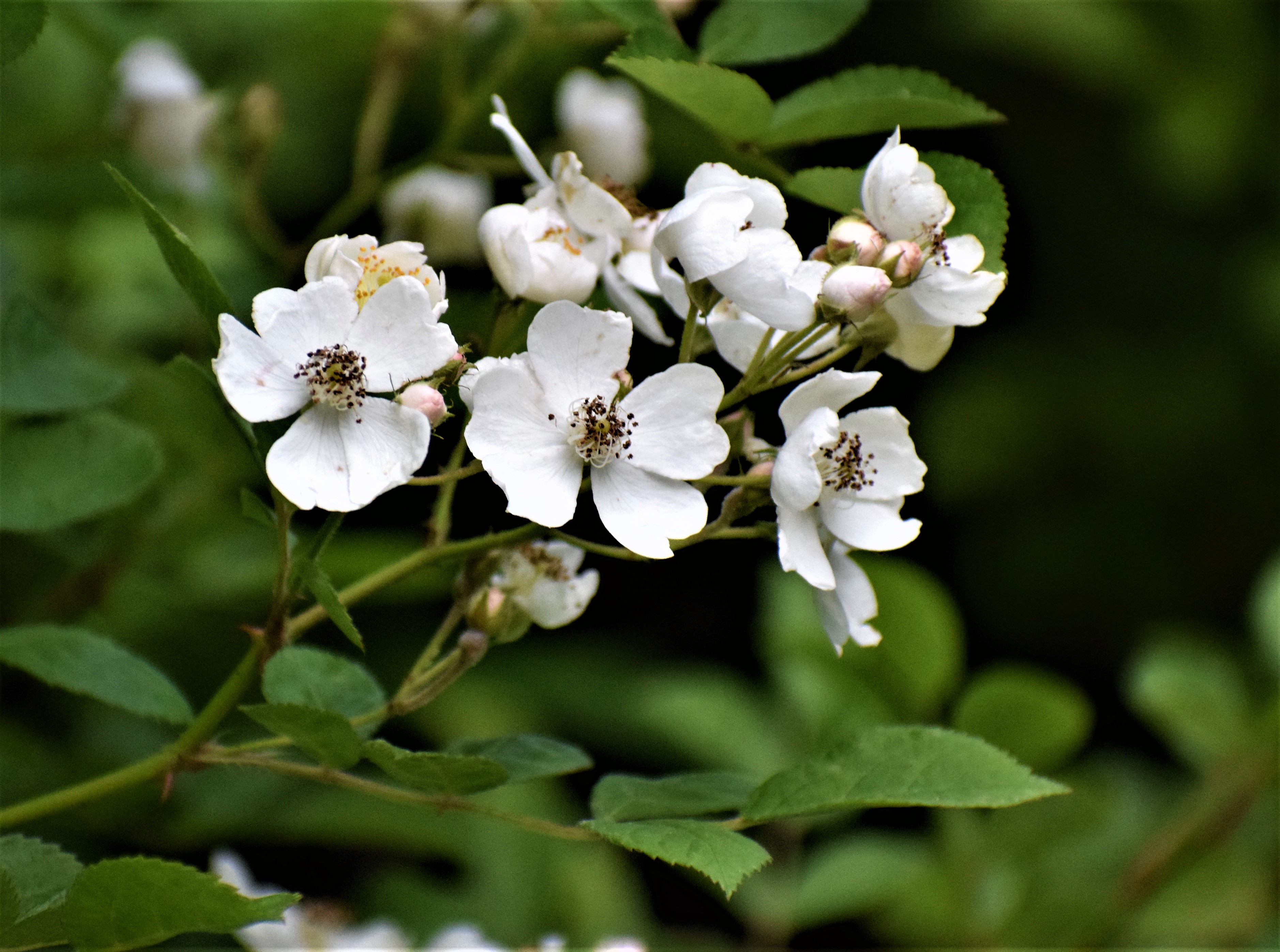
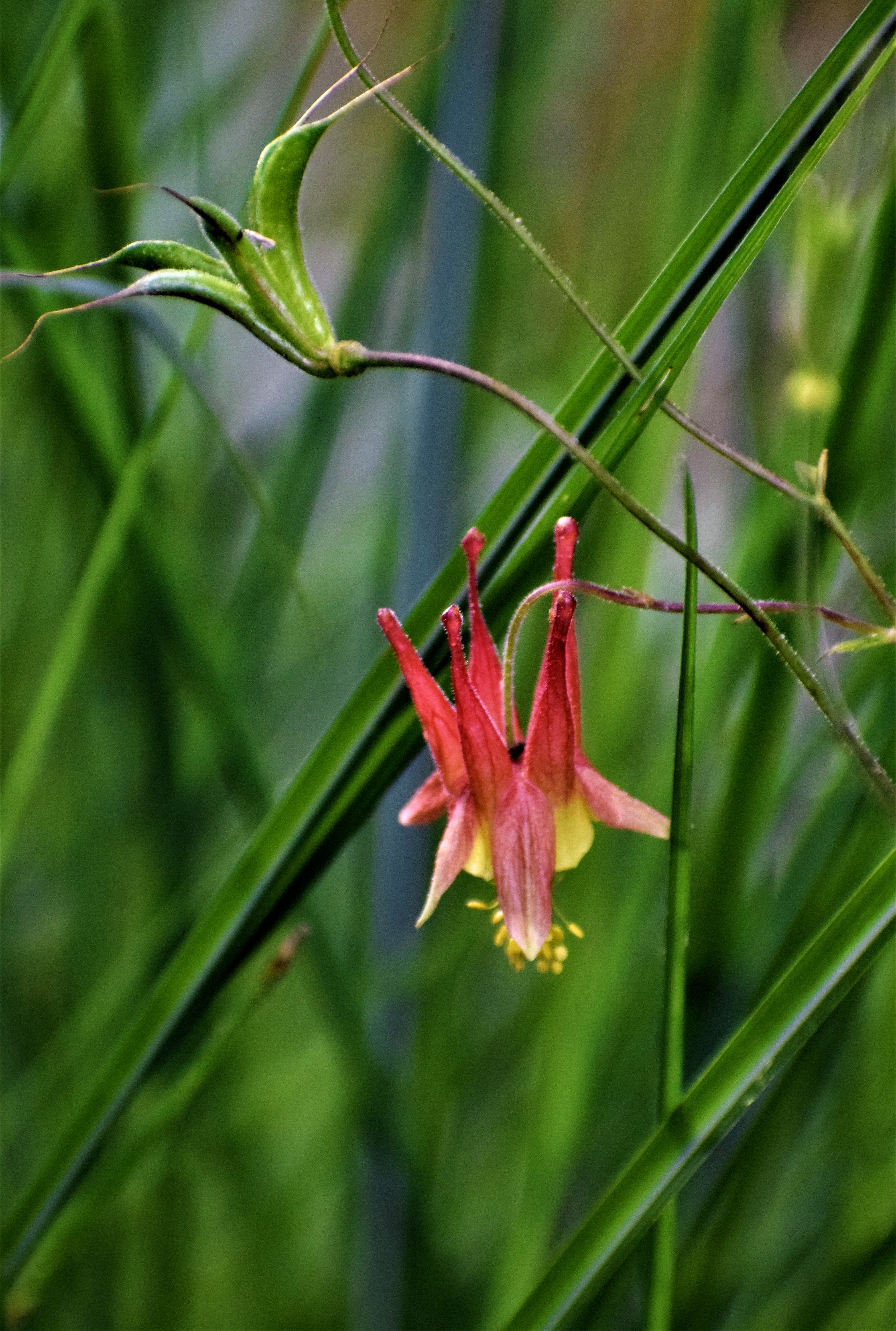
Native Blue Flag of the Iris family.Fire PinkMultiflora RoseAnother pic of the Columbine.
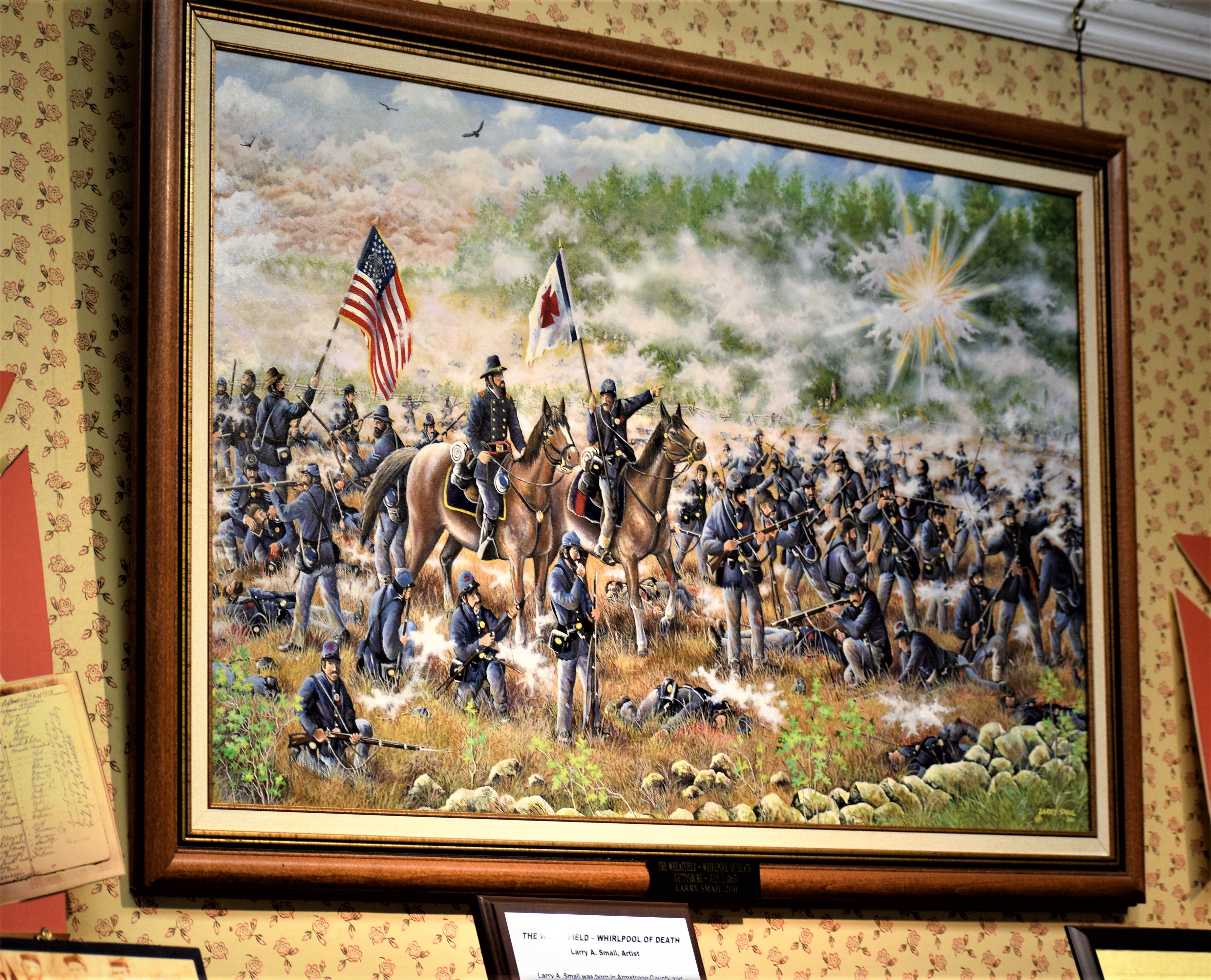
My original painting of the “WHEATFIELD-WHIRLPOOL OF DEATH” hangs in the Armstrong County Historical and Genealogical Society Museum in Kittanning, Pennsylvania. I am proud of that fact. The photo above is a side view of the painting. I couldn’t get a straight-on photo due to lighting glare. This battle was part of the July 1863 Gettysburg Campaign.
Note the Maltese Cross Banner being kept high above the soldiers by the private on the horse. These banners had a purpose in battle. Officers watching the heat of conflict from afar could locate individual groups of soldiers. The officer could adjust battlefield armies by ordering troops to move as needed to repair holes in the flanks and such.
The 62nd Pennsylvania Volunteer Infantry played an important part of that battle suffering heavy causalities. This painting depicts those brave men of the 62nd. Men from Armstrong County and elsewhere were in this regiment.
The photo shown below is that original banner of the 62nd depicted in the Wheatfield…painting. What an honor ro have the flag/ banner on display where the painting hangs. The original has a number of bullet holes throughout that flag.
The original banner of the 62nd Pennsylvania from the Wheatfield Battle at Gettysburg.
A local group of living historians of the 62nd PVI were present at the museum recently and I was asked to attend due to the painting being on display. These men and women are extremely dedicated at maintaining the integrity with honor for the men of the 62nd. I am honored to know many as friends.
The hunt was planned in mid morning when Jon Frech and I agreed to meet to try our hand with gobbler chasing. I parked a little down the road from the agreed upon meeting place to park. After a few minutes I called to see if any gobbler would answer and was immediately met with a lustful gobble. I got into the jeep and met Jon already parked being checked by the game warden. I made a joke to the warden remarking how is a pest around for he checked me and a bird recently. He seems to be a great young man and I hope he doesn’t ever take me too serious.
I told Jon about the bird and came up with a plan of attack. We worked to the same level of the bird and only received one answer. However, i was hearing a long-range gobbler at times. We checked it out and we believed the gobbler may have been frightened by a dog and some kids yelling near to where he had been gobbling.
Our hunt began to circle back on the opposite hill towards where we heard the earlier gobbler. As we approached the point Jon called and received an answer. We set up and later decided to move a little more around the hill. The gobbler began to get worked up and his gobbling increased. We would hear another bird with this gobbler ending up with three gobblers.
The setup was good except for a corridor of Multiflora Rose. Soon we realized moving again would be dangerous for it was obvious the gobblers were moving and getting close.
Jon was doing the calling. I was above and watching and was concerned with the vegetation. However, eventually Jon saw the dominant bird strutting towards him at a place where the rose was not as thick. BOOM!
The gobbler weighed twenty-one and a half pounds with a ten and a half inch beard. Spurs were becoming pointed so the gobbler was, probably, a three year old tom. They were one inch spurs.
We, both, had a good time hunting and was pleased to have had a successful hunt, as well. Congratulations, Jon!
I first heard this big turkey at 5:20 as I was almost to the first level of the hill side. He was several hundred yards away or maybe a little more. I continued to the round top field to further listen and plan a strategy to hunt gobblers. Once on top I realized he was rather close and a decision to move in on this gobbler was made.
I sat up my calling position about twelve feet into the woods with the field behind. The gobbler was approximately seventy yards away. He was on the roost and slightly downhill on my immediate left. The woods was mostly open with the exceptions of Multiflora Rose brambles here and there.
I clucked a few times and the tom became quiet for a few minutes before starting off gobbling again. Later I clucked again and he stopped gobbling for a few minutes again.
The view from the top.
Around six o’clock he flew off the roost and way down the hill gobbling a few more times before becoming quiet. I got up to move on him and spooked a hen from the roost. I circled around to the opposite side trying to stir him up and the turkey was quiet. I did not know where he had moved to.
While calling a Coyote came in to my right until he winded me. I wish my camera would have been out of my shoulder bag.
I went up and over to the field where I heard a distant tom. I moved to get a better fix and would realize the gobbler was way across the hollow in a field. I could see him strutting. He was about half a mile away as the crow flies.
I returned to the high point to listen. Eventually I let out a loud gobble and received an answer to my right in the other hollow. This turkey was, probably, the one that came in silent the day before. I moved in on him.
Jack-In-The-Pulpit
i set up in a rather good spot or so I thought. I began clucking to the bird that would only gobble occasionally. Later, I thought I could hear something behind me at times, but I failed to check it out for the gobbler answered some clucks and was farther to my left, but still in front. I realized I needed to relocate and turned to move only to see two hens fly off.
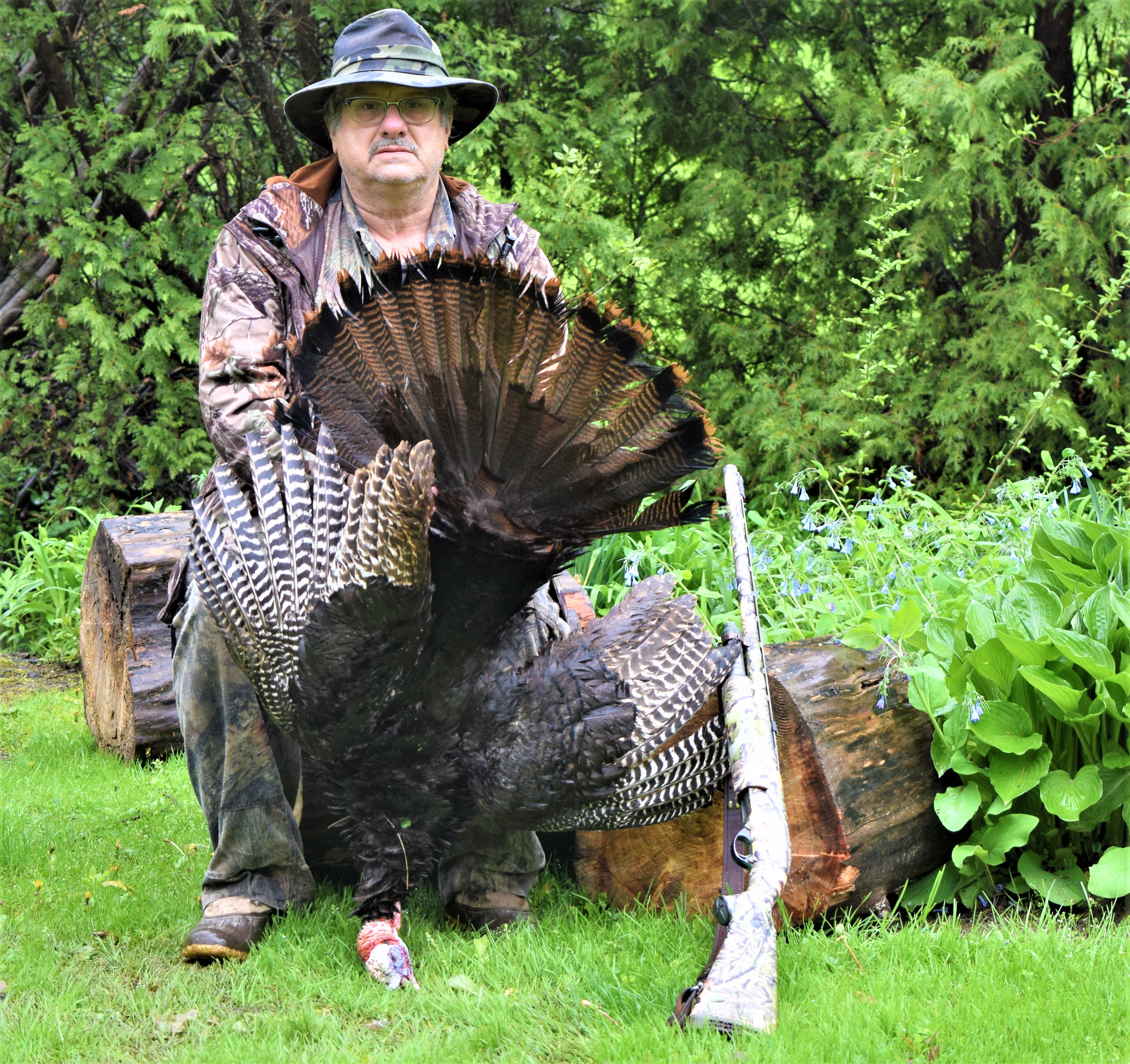
A third turkey was behind thick Multiflora Rose. It was the gobbler who had not seen me and was confused on the hen’s departure. He was putting so I knew he may have seen a hint of movement. I leveled the 870 Remington to the right of the brambles and once I identified the beard the big bird was down.
I hurried to the down bird just as he began flapping and to save feather damage I grabbed at the turkey only to end up with a hand full of tail feathers. There goes a photo opportunity.
I took some photos anyway without displaying the remaining tail feathers.
The big gobbler weighed shy of twenty-four pounds. He sported a ten inch beard and inch and an eighth spurs.
The other gobbler began putting as I reached the down gobbler. He was, apparently, moving towards me, as well.
I was anticipating a good gobbling day upon hearing the weather, however, the starry time prior to sunrise began seeing a push for cloud cover. By normal gobbling time on the roost the clouds were covering much of the sky.
Due to a long walk to the site where I was hoping to listen for roosted birds, I had to exit the jeep earlier in the dark. I was set up against a large oak when I heard two far-off gobblers. I should have moved on one of them , but I stayed in place still wanting to hear a gobbler close to wear I was setting. The two gobblers only gobbled about 6-7 times each. There was a lack of enthusiasm. All day long and I never heard any gobbling except for a single bellow on occasion.
Eventually I moved to where I believed the one tom might be and I was correct. I eased slowly up a steep round top field and peered across the highest point and there was the fan. I backed away and called. I was going to enter the wood line edge, but I heard hen calls and thought another hunter just might be in place. I exited.
I walked the other side of the steep field and entered the woods where I began calling. I saw the same longbearded bird strutting the horizon line but he wasn’t gobbling. Hens were, no doubt, in the field with him. I did hear one gobble farther down the ridge and went for it.
The tom answered my calls twice and would only gobble on occasion. I couldn’t fire him up. The bird was across a steep gully with a stream and I believed I should go across and work above. I spooked a couple of hens and would later hear one yelping on the other side.
Mayapple blossom
I heard another gobble but couldn’t determine the direction for the winds had been picking up by nine o’clock. I went farther uphill and began calling. Suddenly there he was! A big gobbler within range and my shotgun was not in a position to get a shot. I froze, but he became suspious of that camo-clad blob and panicked. Hunting silent birds can be difficult.
I elected to move out of the area and cross a deep hollow and go up over the other side. I have taken three gobblers later in the day on this hillside. Upon entering an opening from a reclaimed strip I could see a strutter on a fifty- foot right-of-way. I circled, but he was far off for an old man to move rapidly.
Once I reached that area I began to move slowly and call and heard nothing. Later, when I began my descent to the jeep I would see four gobblers moving along a field’s edge. I didn’t try any strategy for quitting time was just ahead.
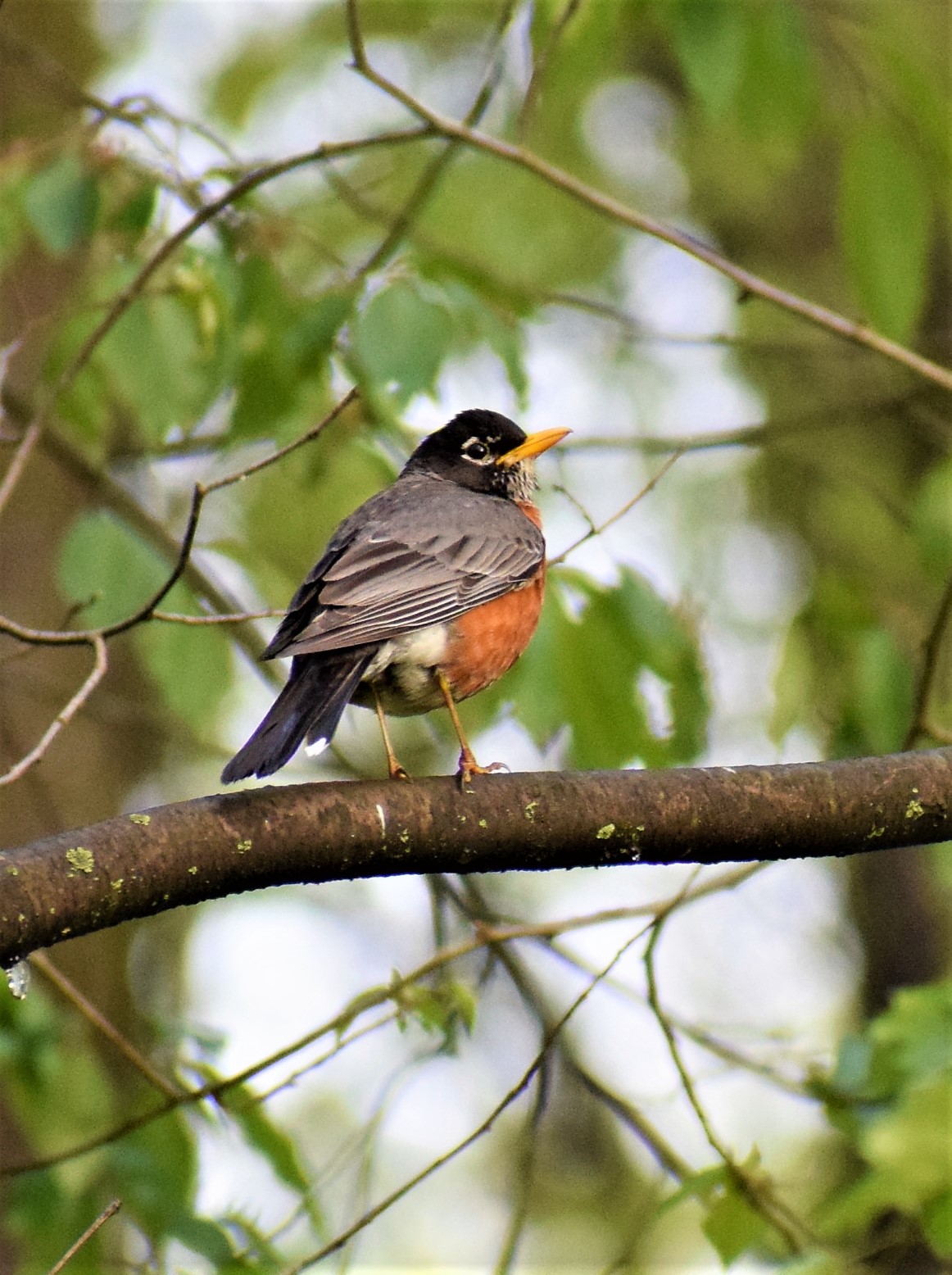
I did see a lot of deer, gobblers, Jakes, hens and many bird species. I found some Morel Mushrooms.
After a very rainy Mother’s day I was going at it again for another gobbler. Laurie and I had Mother’s day at the house with my mother, Ruth Smail Miller and step father, Bob Miller and my sister, Ruthie. My mother is 91 years of age and I am so happy to have her around.
As I moved easterly this morning, I could see the cloud line from yesterday’s rain out ahead. The morning was looking to be a much better day than the last week. Unfortunately, I heard no gobblers with certainty during the very hours moments of the hunt. I state “with certainty” for I may have heard one very far, but I wasn’t sure.
After a time I began to move around calling and listening and looking for Morel mushrooms whenever I could keep my brain focused on the search. A fog settled in the valley for a brief time.
Somewhat disappointed, I quietly moved all around the property calling at strategic locations and still no gobbling birds. Once I reached the farthest point I turned and moved back to my early positioning.
I leaned up against a gas well to enjoy the heat from the sun. I called and believed I heard a gobble. My second call affirmed my belief. I did hear a gobble and much closer. I backtracked and circled to get down lower on this site. I wanted to set up within a thirty feet wide woodland corridor between the gas well landing and a narrow field. I wanted to cover as much area as possible.
All I heard was silence. Did the gobbler see me I don’t believe he did due to contour and terrain features, but why the silence. I became quiet, too. After twenty minutes I called again and heard a gobble seemingly from my left side. Another gobbler or did he move above my position behind the gas well?
I called twice more and definitely heard gobbling behind me on my left before silence again. Something wasn’t feeling right and I became suspicious to last year’s gobblers known as Jakes.
I decided to circle around above the gas well and try to locate the birds better. Once I reached the round top I circled around the edges calling and listening. Nothing! However, after a loud gobble call I heard two gobbling birds below me and near to where I thought I had heard the gobbling earlier. I was almost completely convinced I was playing around with young gobblers. I returned to the woodland corridor and called only to receive silence. I decided I needed to move in their direction because quitting time was winding down and I needed to fire these birds up soon.
I moved another sixty yards and called. No gobbling, but I would soon see the culprit. Four silent Jakes showed up. The longest beard was around three or four inches. Now I was seeing great photo ops, but my camera and shotgun needed reversed. The Jakes began to move around in a confused state. This fact allowed for some photos, but not the best opportunity for the birds moved into thicker vegetation.
One of a few clear photos of the moving Jakes.
I would see a bearded hen on this day.
I had played around with those Jakes for over two hours.
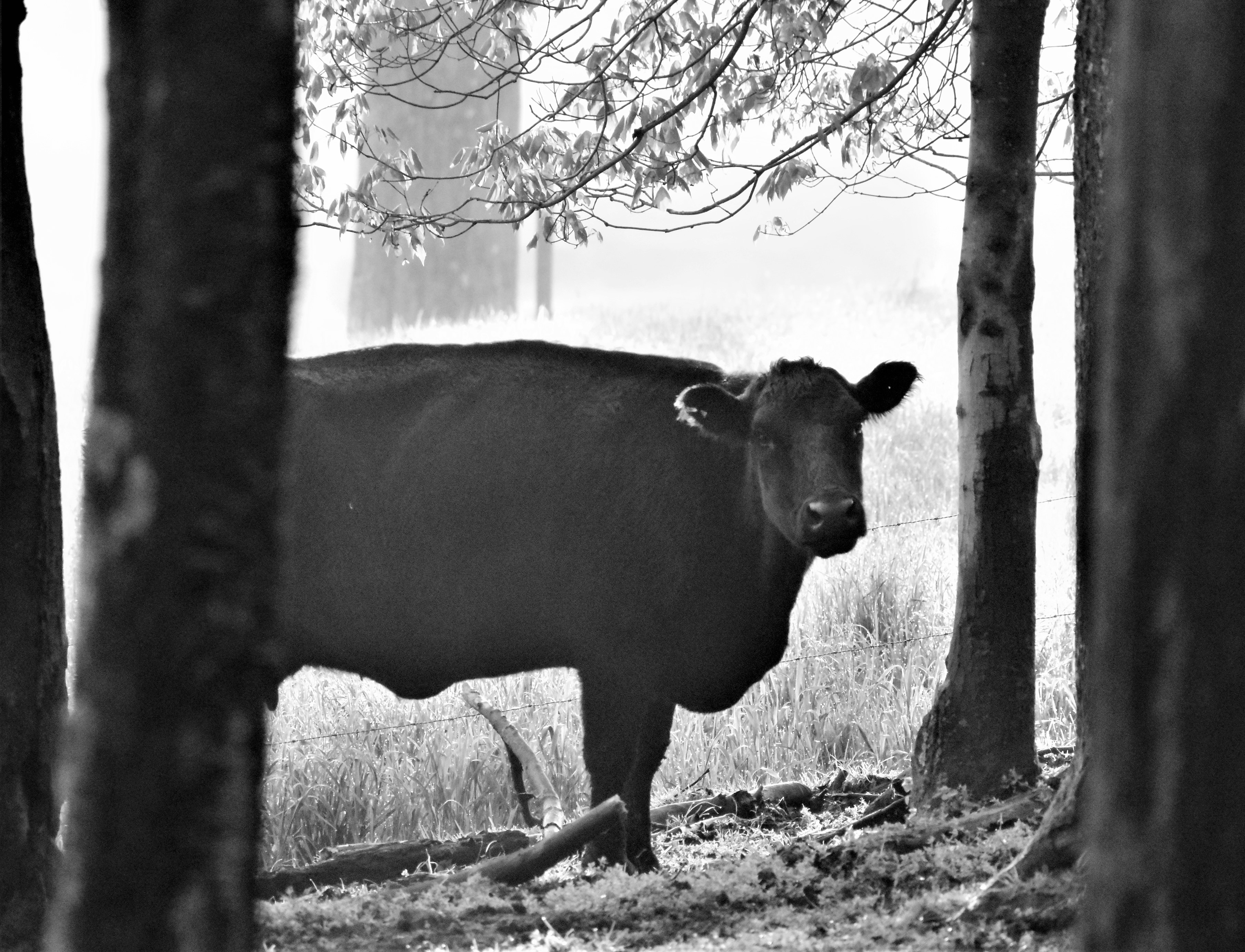
A friendly cow. Cows bellowed for about half an hour in a lower pasture field making hearing difficult.
Around 2012, I received a digital CD recorder. The first time spent with this contraption was discouraging. I am not a tech-type of a person. The recorder intimidated me, but I began the experimentation process to see what I could learn. After all, there was a college course to take, but I went at on my own and I met with many obstacles to overcome and I am still learning “tricks of the trades” so to speak.
My first attempt was a surprise CD called, “SONGS FOR MY MOTHER”. I searched my memory for songs I had heard as a boy at home. My mother purchased many of the old 45RPM records and, of course, I heard the music often. I chose some and began working at finding the keys suitable for me to sing in. One must remember I haven’t sung since a young fellow. I played it safe on this CD and chose keys to avoid fearful singing issues. I have asthma and I run out of air easily.
The late, Dick Vernon played some steel guitar on this Cd and my friend, Marci Williams sang on it and offered the harmony voices, too. I played all other instruments.
In the fall of 2013 I presented this CD to my mother at a local campground event. At first she thought I was playing a joke on her until she saw the CD cover. (Why would she expect a joke from me?) She was emotional for she wanted me to sing for many, many years. She was in shock! I couldn’t have given her a better gift.
My second Cd called No RHYME OR REASON.
The second CD saw improvement as I learned additional tricks with the recorder. I searched for songs in this country-style CD and narrowed them down.
Dick Vernon played steel guitar on this Cd and another friend Billy Rich did fiddle work. Marci Williams sang two additional songs and the harmony vocals. I played all other instruments. I did two original gospel songs on this CD, as well. (I have redone these two songs since then.)
Inside coverBack cover
The third Cd was a gospel recording called, I BELIEVE. This one featured a variety of gospel songs I have liked for whatever reason. Some of these songs are traditional and some are contemporary songs.
I BELIEVE, my third CD.
On this CD I had Dick Vernon play some steel guitar work. Marci Williams did the harmonies. I did a little harmony work, too. Unfortunately, Billy Rich came to house and we were planning for some fiddle work and he unexpecting passed away. I did all other instruments on this recording.
Inside cover, I believeThe fourth CD called, KEPER OF THE STARS
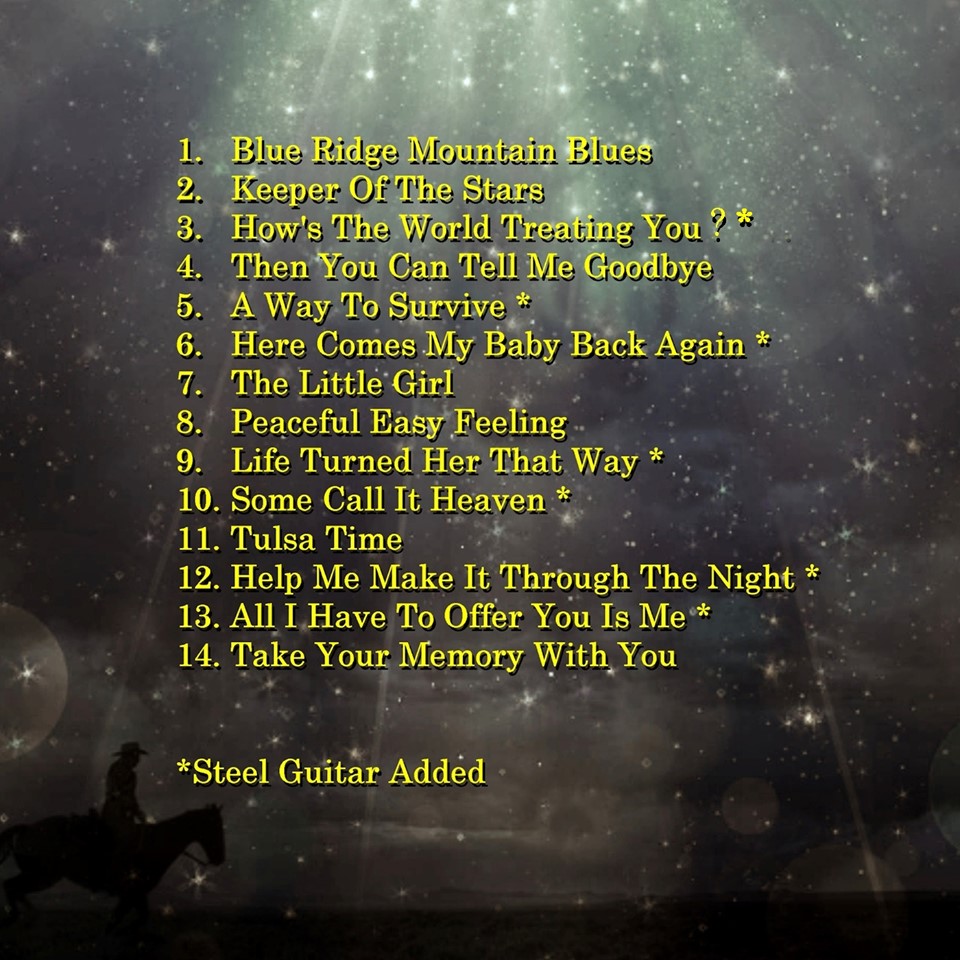
My fourth CD title came about due to my wife’s desire for the song on the CD. She believed the song was meant for our marriage and wanted me to do it. My friend, Dick Vernon had passed away while I was planning and working on this CD. Another friend, Mark Hamilton did the steel guitar work. I did all other instruments and harmony work.
Inside cover of KEEPER OF THE STARSBack cover of the CD.
My fifth CD is called, HEARTACHES AND HONKY TONKS. Interestingly, I did all vocals and instruments on this CD.
The fifth CD with me trying to look in a heartache mood.
Most songs on this CD related with classic honky tonk style songs which include heartaches. I included the song Wagon Wheel and a gospel song on this recording as well.
I am working on a sixth recording which is to be another gospel CD. At the time of this entry I have six songs completed. The tentative title may be I MET THE MASTER.
The help on these recordings need to addressed again. My sister, Ruthi Wolfe took some of the photos for these five CDs. Again, Dick Vernon and Mark Hamilton with their steel guitar work. Billy Rich and his fiddle work and my friend, Marci Williams for vocals and harmony. Their additions helped greatly.
ALL CDs ARE AVAILABLE FOR TEN DOLLARS. SHIPPING, PLEASE ADD $5.00.
A friend living in Kittanning sent me a message stating my father’s veteran banner was up near his home. I searched this morning and found the display.
I was honored, humbled and proud to see this tribute on a street in Kittanning, PA..
The morning weather looked dismal for gobbler hunting. However, after having some allergy issues stop I headed out to see how the turkey hunting would be this morning. I had left my camo-clad raingear with my friend, Dana Gould so I would not be having that luxury this day. Oh well! We had tentative plans to hunt with outdoor writer and friend, Steve Sorenson. The plans fell apart with the weather forecast.
I moved towards a place I have had luck finding gobblers. However, they have always, so far, been in posted property. This property is an open woodlands with two gas well sites with grassy conditions all around them. There are gas well roads running through the property, too. These conditions are great for gobbler activity. The property I am on features much Multiflora Rose, Also, there is a border ditch with higher banks separating the two properties. In my experience the birds do not wish to cross those barriers. I have to try!
This morning was no different. I stirred up two toms and they were exactly in the areas explained above. Both gobblers moved along the property line, but would not cross over. I played with them for over two hours.
I tried moving about to no avail. Eventually, I would spook one gobbler from the posted property as I rose to walk away.
I followed some side plans and eventually I spotted a tom along a wood and field line. I called and he exploded with a gobble. He disappeared over the bank and out of my site. The next time I saw him he had walked onto a grassy road. I eased into position when I believed the time was right.
The gobbler moved slowly along this area. I had the sights aligned to the left of some thick vegetation waiting for his appearance. Slowly the darkened form and red, white and blue, American-colored head appeared. I couldn’t see a beard, at first, so I held off from firing the shotgun. A few more steps and the beard was plainly visible and the shot happened and the bird was down.
I ran to the gobbler. He had two beards, one ten inches and the other of nine and a quarter inches. Both spurs were one inch in length.
Upon returning home a used a tripod to take a few photos, followed with the stripping down of my camo clothes before placing it all in the dryer. I will try for another tag being filled soon.