Feeds:
Posts
Comments
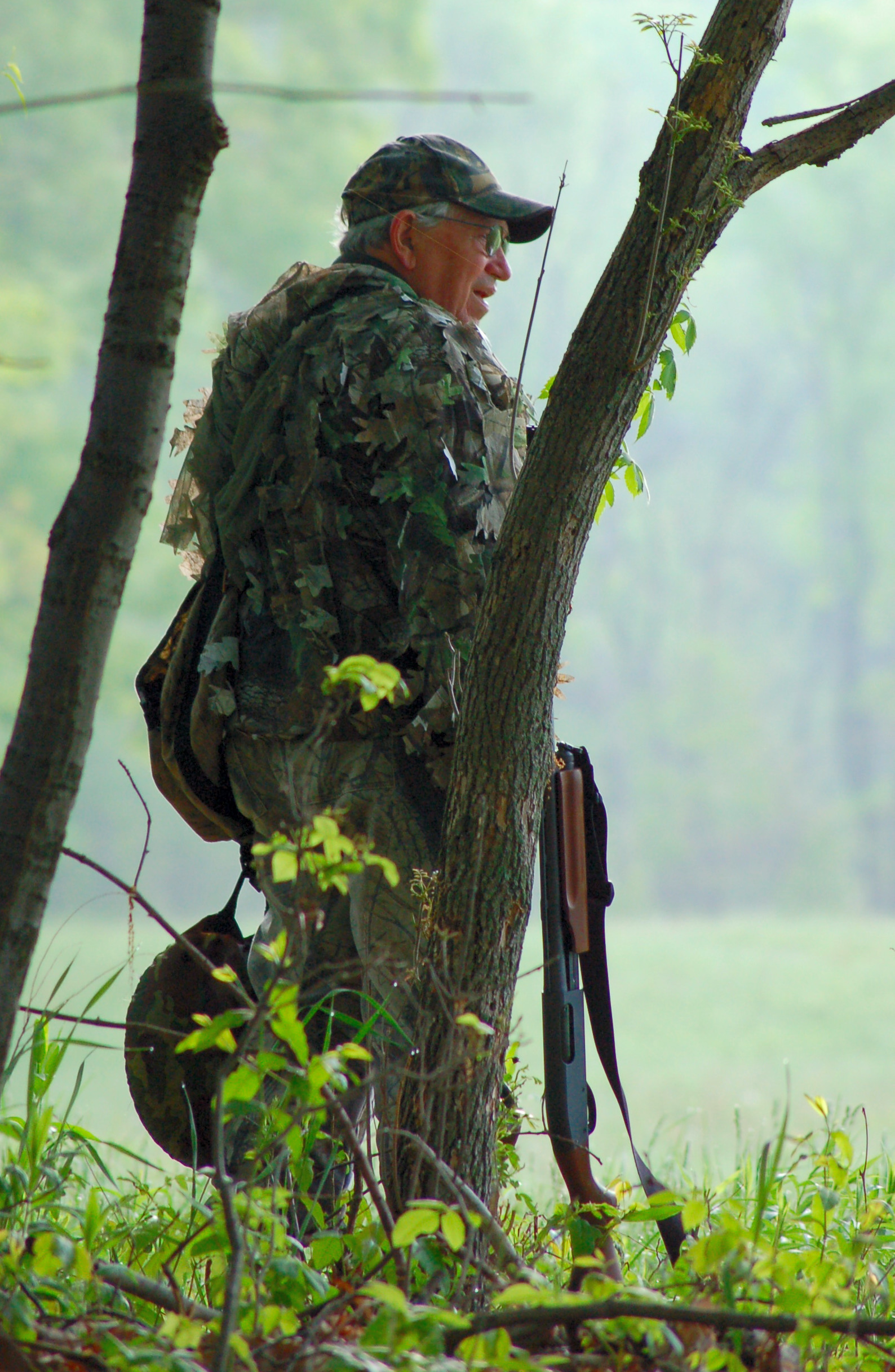
A listening Bob!

A listening Bob!

Friday, May 24, my step father, Bob and I walked across the field early to be posted at a common roosting site. This area has seldom failed to produce gobbling, but it is a place difficult to set up on the birds without detection.                                                         DSC_0013

We waited and two birds in two different directions and far off. I held tight waiting a closer bird would sound off where I had hoped. Nothing happened here so we elected to move closer to the one bird.

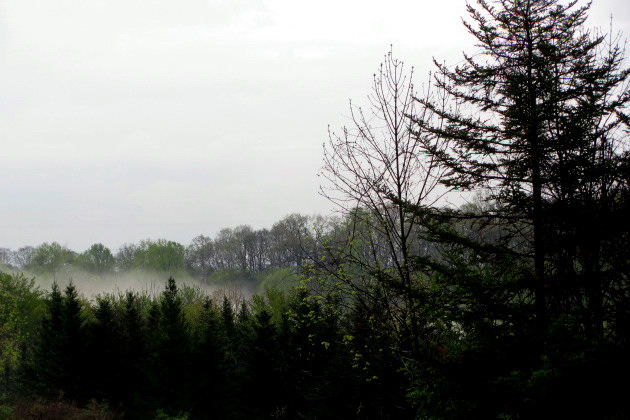
Foggy Morn!

Foggy Morn!

We closed in until we could move no farther. The roosting bird was down over the hill near homes and a road and in unhuntable grounds. The only chance would be to pull him a distance. The gobbler seemed interested and he later came off the roost. He quit gobbling after a time when another gobbler gobbled from the point where we had just came from. He gobbled only once!

Great blue heron against the fog.

Great blue heron against the fog.

We moved back towards him when the previous gobbler started singing again. He seemed closer so we tried to see his next movements would be and moved back towards him again. Our feet were soaked from the dew-laden field. Unfortunately, he continued to move away and cross the road. We tried to stir up the other birds , but failed to do so.

Bob said my buddy was playing out and my allergies were beginning to irritate my eyes so we quit after 8. We saw some squirrels, two deer and a hen.


DSC_0081

Inside looking out!

Laurie and I visited a unique site of the Hocking Hills experience. The site is known as the Rock House.  The huge rocky outcrops common to this area didn’t fail us with this view either.

This House of Rock features a ceiling of about 25 feet and is 20-30 feet wide. However, this corridor/ cavern within the rock is 200 feet long and open on both ends.   DSC_0094

IMG_1761   Local folklore claim robbers, bootleggers and horse thieves and such would often hide here. Some called it Robbers Roost.

DSC_0082  Also, in 1835 a 16 room hotel was erected here. There were no signs of that building now!

There are various color patterns within the rocks depending on the material used during their formation.     DSC_0080

The trail continues past the Rock House to a 150-foot cliff and cave-like conditions.

IMG_1758

Small barn spotted along way to Conkle's Hollow.

Small barn spotted along way to Conkle’s Hollow.

The Conkle’s Hollow area of the Hocking Hills is considered to be one of the deepest gorges in Ohio. The slopes are rugged and steep with rocky outcrops jutting from high above the gorge’s sides. They are 200 feet high in places. The gorge, itself, is about half a mile long.             DSC_0064

The valley floor is thick with vegetation thus not allowing much sunlight to reach the bottom of the gorge.

DSC_0066  The width between sides at the end of the gorge is only about 300 feet.

Laurie and I hiked the rim trail that circles the gorge. The trail is usually made of smooth, sandy rocks. The length of this trail is over two miles. As it states at the trail’s beginning, the hike is potentially dangerous with injuries and even deaths occurring from mishaps or carelessness.

One of many breakages within the rocks.

One of many breakages within the rocks.

At the gorge’s end a waterfall tricking down over the rim.  the rocks are all very high and impressive to behold. Breakages in the rocks in times past are evident and one can study these breakages and see how they once fit to the rocks above.                                           DSC_0068

Winter hikes could be even worse with snow and/or ice being on the rocky outcrops. Today was cool and sunny allowing for some photo opportunities.

The hollow became known as Conkle Hollow after a name and date was discovered carved onto the rocks. The carving was “W.J.Conkle 1797”.

Squawroot, a parasitic plant. It usually grows in clusters.

Squawroot, a parasitic plant. It usually grows in clusters.

Some areas of our Hocking Hills adventure showed many wildflowers such as trilliums. We, unfortunately, were about two weeks late to witness their beauty for they had completed their annual blossoming time.  Jack-in-the-Pulpits and Golden Ragworts were in full blossom as were the Wild Geraniums.

DSC_0032  Turkey vultures were common throughout our hikes and journeys since they like to nest in rocky areas.

In times past the Shawnee and Wyandot Indians used the areas.


The falls at Ash Cave.

The falls at Ash Cave.

A good friend of mine, Dana Gould began

The falls with a slower shutter speed.

The falls with a slower shutter speed.

plans last March to visit a place he had been to in the past. He knew I would have had loved it, so he asked another mutual friend Steve and I to travel and visit Hocking Hills State Park near Logan, Ohio.

We tried to schedule this get together for different times and weather or threat of weather  caused  cancellations. Another time we thought the plans were set and a change in a contractor’s work schedule made for another cancellation.

DSC_0089                                                          DSC_0088

However, Laurie and I while visiting their web site decided to go and see these sites this year. Mid May proved to be that time! (You may check it out for yourself at: http://www.ExploreHockingHills.com  )

Top of cave where tributary flows.

Top of cave where tributary flows.

We visited and hiked a number of areas within the park system and the sites were breath-taking to say the least. I will be dividing up my entries here with various areas we explored  and hiked. I will include photos with each entry, however be warned the photos can not do the vastness of these sites justice. For instance the Ash cave is 700 feet in length. Capturing that magnitude of size with camera can not allow the feelings of awe we witnessed.    DSC_0090

ASH CAVE

Dainty wild iris.

Dainty wild iris.

   This cave is spectacular in both size and beauty. The gorge walking to the cave features massive beech, hemlocks and other trees. One can compare the trees to the towering trees of Pennsylvania’s Cook Forest. The gorge is about one quarter of a mile in length.                             IMG_1771

One will find a horseshoe shaped cave at the end of the gorge.  As stated above, the length of the cave is 700 feet. The depth at one point is 100 feet. The front rim of the cave rises 90 feet high. Quite an impressive hole indeed!     IMG_1787

A small tributary to Queer Creek tumbles over the rim of the upper cave. The water falls and forms a beautiful pool before ambling towards the creek. I took many, many photos of both this waterfall and cave.  Look closely at some of the photos and you we  see people to allow a size comparison of the falls and cave.                                                   IMG_1788

The cave was named after early settlers found  much ash under the shelter area of the cave.  The ashes were said to be about 100 feet in length and thirty feet wide. The depth was, as much as, three feet! It is believed to have been from Indian activities over a long period of time.     IMG_1790

The cave was used as a Christian service site and later township meetings. This lasted until a church was built for the congregation.


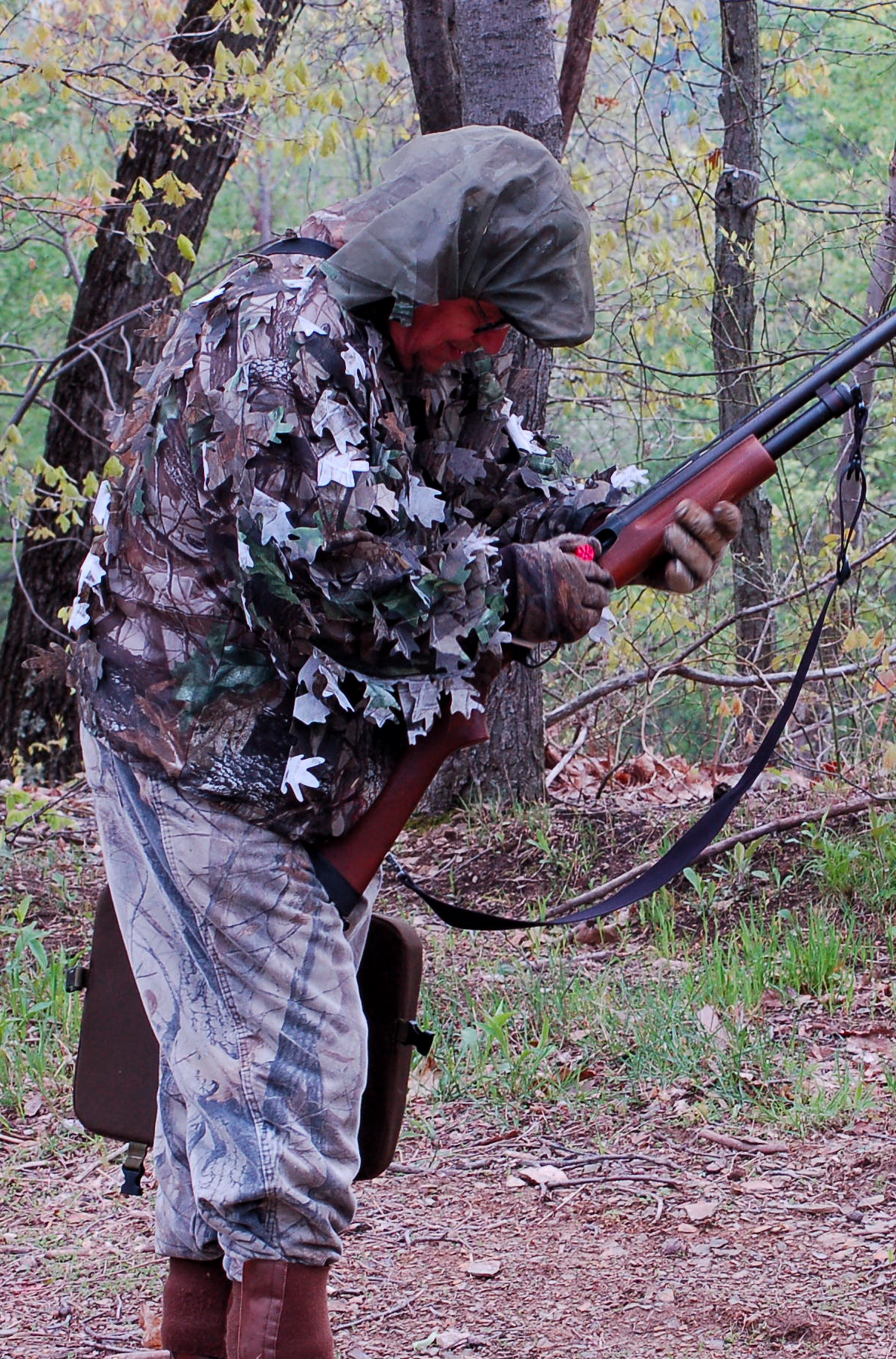
Bob unloading his Remington.

Bob unloading his Remington.

My step father, Bob finally felt well enough to pursue gobblers. He had been suffering with cold-like symptoms and is taking antibiotics. We situated near to a favorite roosting area. We weren’t disappointed. Gobbling music began at 5:30 A.M. and lasted until 6:30.

Unfortunately,  for us we were forced to set up to call in a less than desirable place. The openness of the tree foliage and the high probability of being highlighted against the illumination of the eastern sky dictated out best course of action. Dense multiflora rose and honeysuckle were to our right and behind us position. Bob actually stood behind a tree to watch the open area between the birds and us.

Landowners had cut trees bordering a field and trail. The tops were allowed to remain. As you may have guessed, the turkeys were on the other side of this tangle. Three toms left the roost and approached my calling and “hung up” on the other sides of the tree tangles. They were about 50 to 60 yards away and gobbled very well in anticipation of the unseen hen…me!

They tired of waiting and became silent. After some time  I edged around and checked a field and could see three hens. Bob and I worked the area where the gobblers last were gobbling and I managed several replies, around 7:00, way down the hill and in posted property.  Bob was getting tired and we quit at 7:30 and were forced to go home and harass my mother some.

What A Day!

Fog

Fog

I woke up to thunderous booms and bright lightning around 3:45 this morning. Wow, I thought this may place a damper with my turkey hunting plans.

After the morning's rain.

After the morning’s rain.

I watched the weather at 4:30 and the radar looked as if these storms should be passing through quickly. I hurriedly prepared and took off towards one of my hunting spots to listen.

IMG_1703   I arrived towards the top of the mountain by 5:35 A.M. and anxiously awaited that first gobble of the morning. Nothing!! At 6:15 I began searching for morels and I was pleased to find some. One can never have enough of these tasty mushrooms.

Dogwoods in bloom.

Dogwoods in bloom.

I crossed the hollow and made a listening and calling tour of the area and had one gobbler answer my calls. He was far down over the hill and I wasn’t sure of property boundaries and decided to head to the car and transport to another area to search for more morels and maybe call and listen for turkeys.

The humidity and temperatures made for some very warm woodland maneuvering. I called some as I walked and I received an answer shortly after nine o’clock. The bird was way off in distance. The morels would have to wait as I hurried towards where I believed the bird was. He started gobbling occasionally on his own now. This is always a good sign to the turkey hunter.

I edged around a slope and called and immediately heard his reply. He was below me in the wetland area. I set up and called a few more times. He would answer every few minutes. I waited. His approach was certain, but extremely slow.

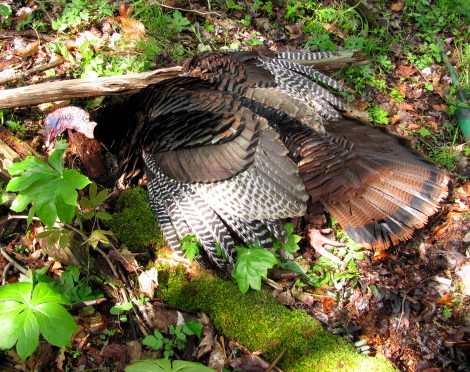
I clucked a few times and he answered again and became silent again as did I.  I spotted some movement among the mayapples and a turkey head appeared. The gobbler was within range, but I couldn’t see a beard yet. A second gobbler appeared behind the first one. The lead bird stepped again and a nice beard was visible and the bird was down. The 32 yard shot was at 10:00 A.M. and I was over a mile away from my jeep. I would be shedding moisture as I walked!

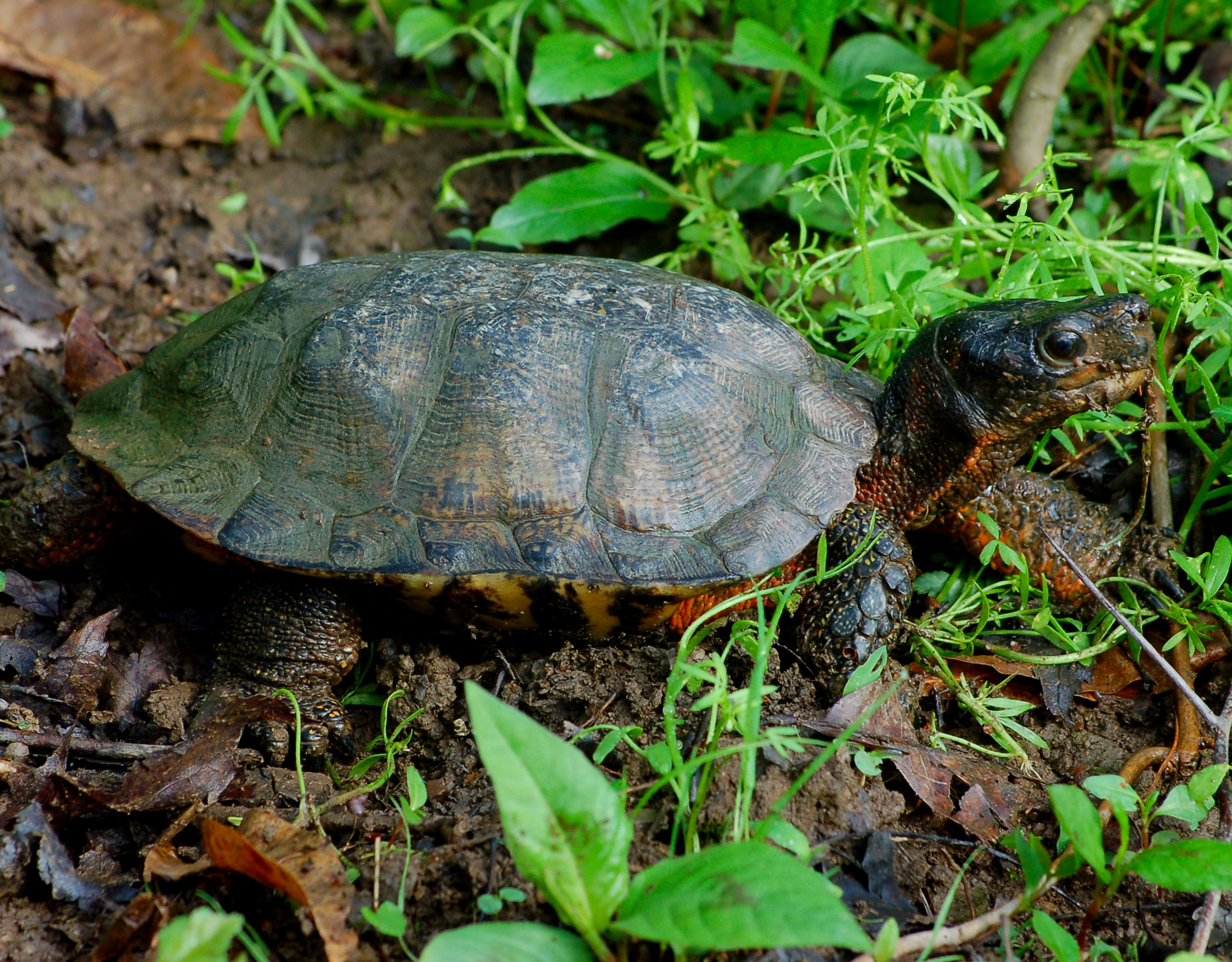
Wood Turtle

Wood Turtle

IMG_1706   The walk back was, indeed, a hot one and I knew cleaning the bird would be a priority. At home I weighed the gobbler and he was almost 24 pounds. Another heavy bird! The beard was mostly at eleven inches, but six strands reached the thirteen inch mark. The spurs were, both, one inch each.                                                                        IMG_1718

My step-father, Bob is getting better and he hopes to hunt soon. Cousin Donny and I will get out together someday too.

The dead cam was obvious as I walked up the hill to a listening point. A few warblers were already beginning to sing prior to the 5:30 A.M. time.


An  A.J. Cassette  call.

An A.J. Cassette call.

As it usually happens the first gobble was across a hollow and towards the top of the opposite hill.  I used diagonal maneuvering to approach. I set up farther than I would have preferred, but the open woodlands and the time of the morning forced me to a pause.

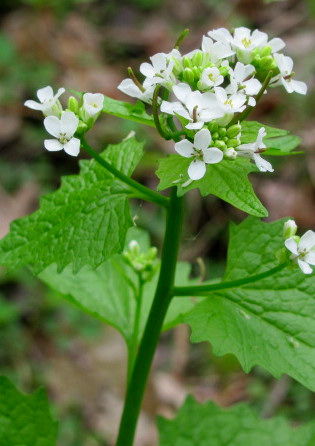
Garlic Mustard- a non-native and invasive flower.

Garlic Mustard- a non-native and invasive flower.

The bird left the roost prior to six o’clock and went opposite of me. I reevaluated his move and did likewise. I moved into a triangular section of woodlands with mowed cuts on both sides. if this gobbler moved along either site I close shot would be the result. He wouldn’t budge from an opening where these two mowed cuts intersected. I moved as close as I dare.


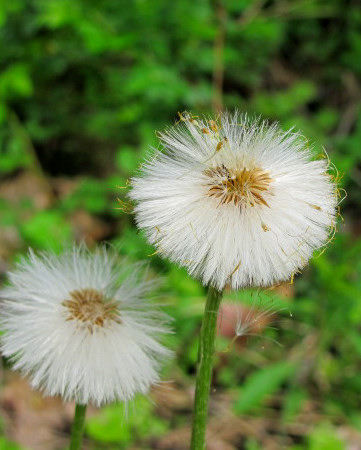
Coltsfoot flowers having gone to seeds.

Coltsfoot flowers having gone to seeds.

The gobbler after tiring moved back down into the woods and gobbled periodically as he moved farther away.  I changed positions as well, but I heard it…hen talk.

Later, I began a circle and spotted a hunter setting against a tree. I eased away and he never knew I was around. I later saw hunter tracks along the bottom too.

I walked and called for a time until the heat, humidity and allergies began to get the best of me.

I saw some deer, squirrels and many warblers.

I arrived home after 10:00 sneezing; sniffling and itching. A pill needed to be taken.

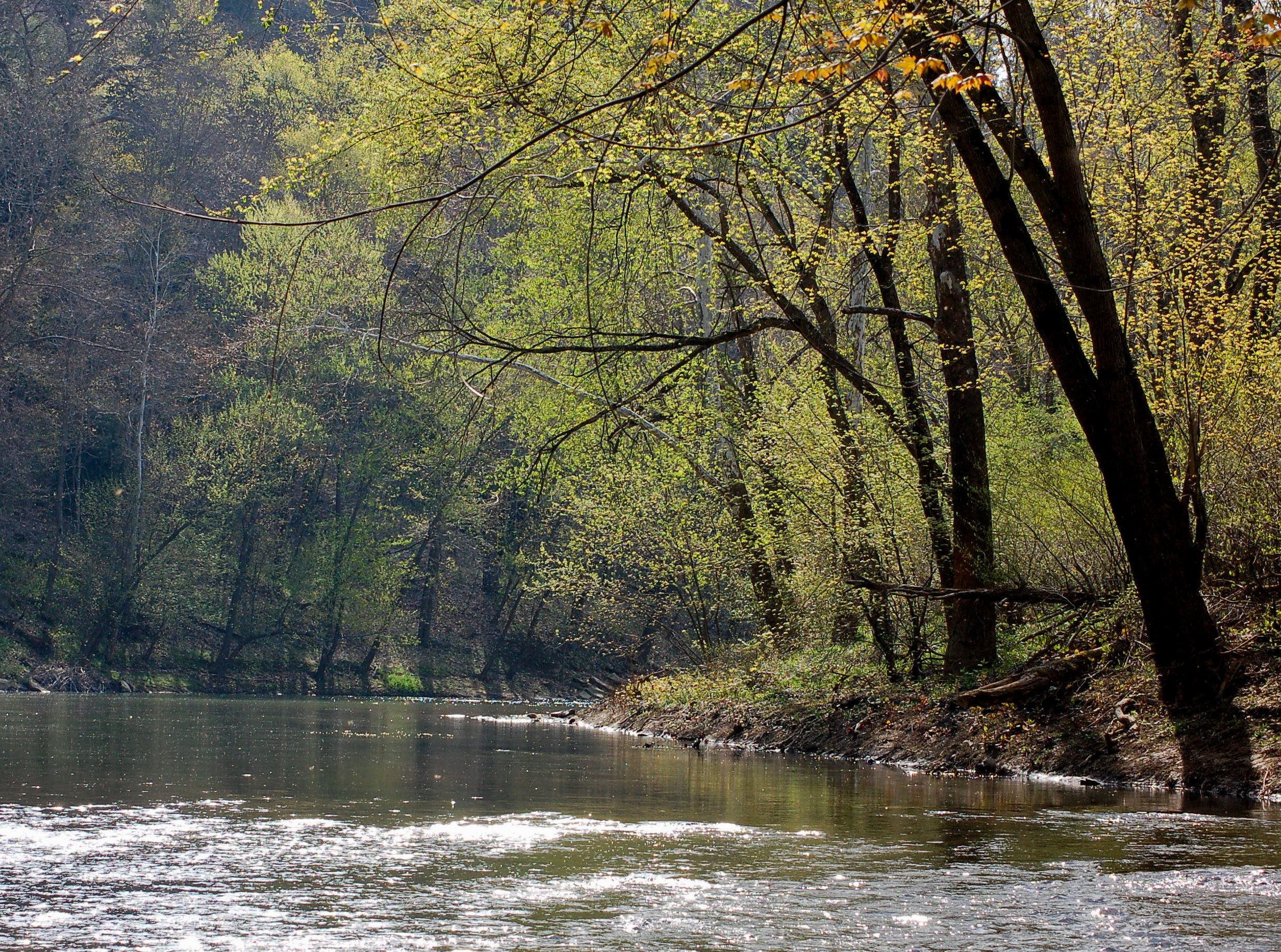
Crooked Creek

Crooked Creek

Crooked Creek

This morning I went to crooked Crick (Western Pennsylvania pronunciation of “Creek”.) I thought I would enjoy some fishing and nature snooping. I saw two flocks of turkeys while traveling to the back waters of Crooked Creek Lake near the long-ago vanished village of Cochran’s Mill. This community was removed to build the dam many years ago.

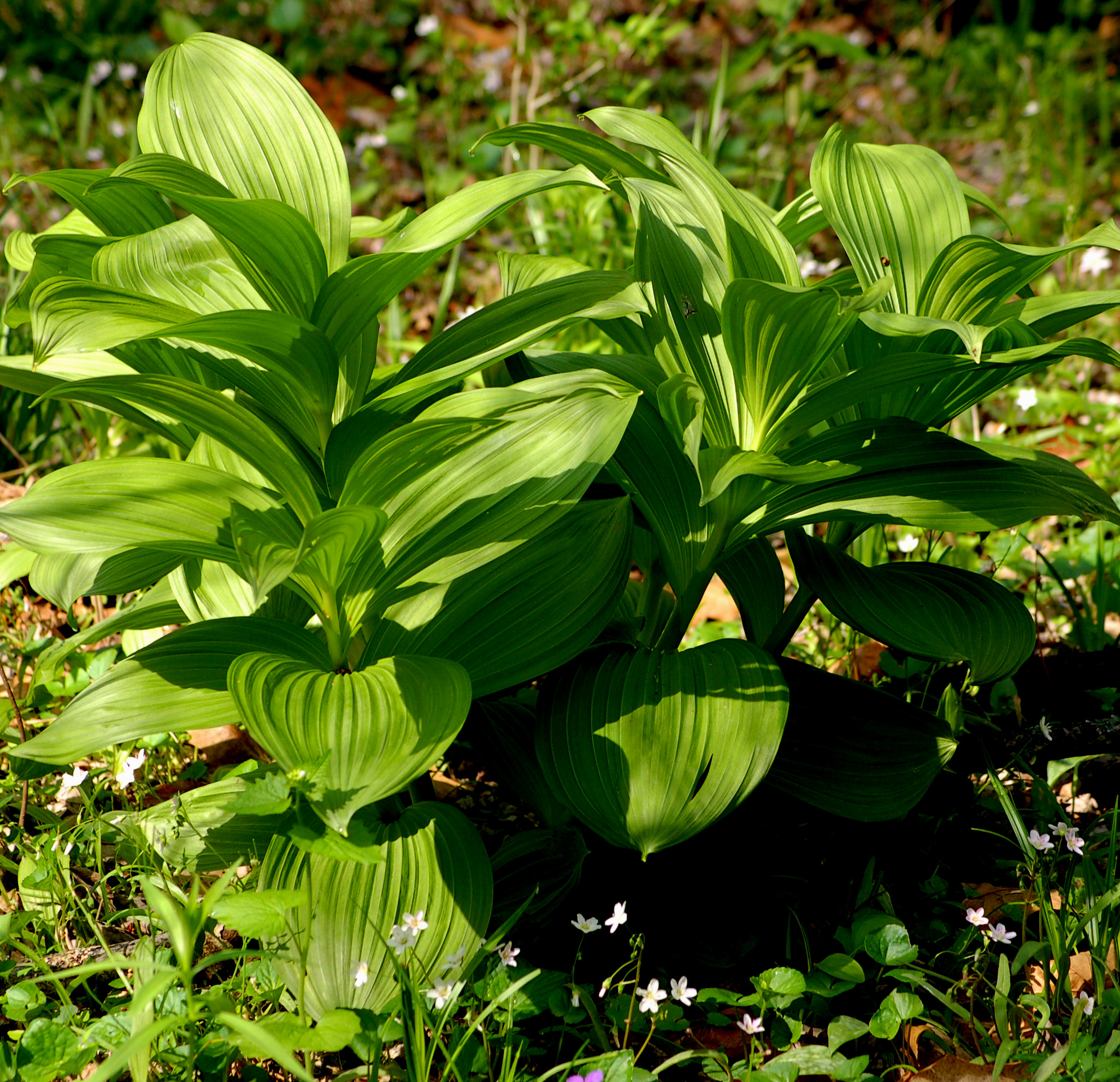
Hellebore: a plant found in wetland areas.

Hellebore: a plant found in wetland areas.

I was surprised to have only a few “bites” this morning. I failed to see any bass or bluegills. I always see these fish swimming around. I did see a few carp. The water was a little colored more than normal. Also, a massive Caddis Fly hatch was ongoing. They were landing on me. Possible, the fish had filled up on these insects!

Jack-In-the-Pulpit

Jack-In-the-Pulpit

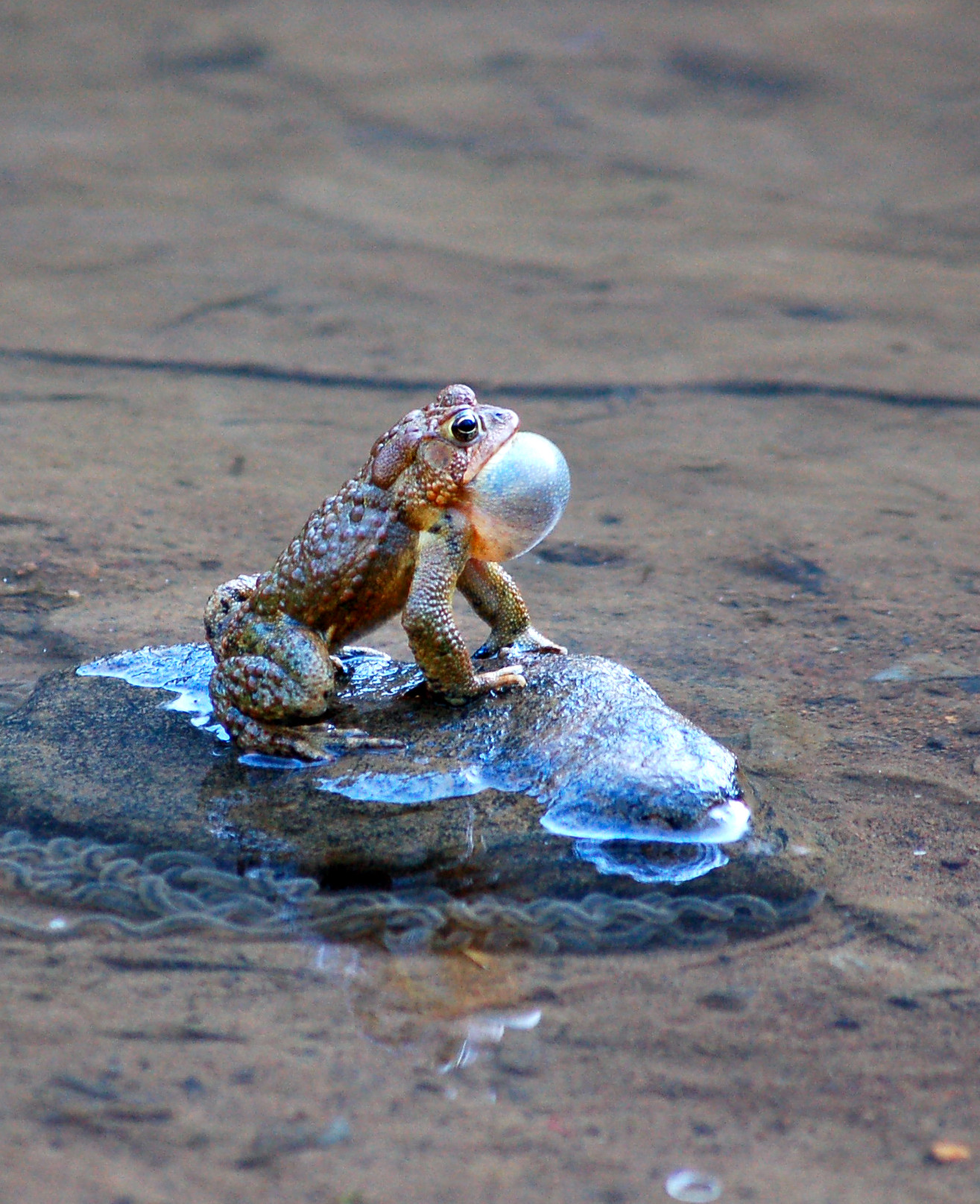
Singing toad. Note eggs at rock's base.

Singing toad. Note eggs at rock’s base.

Other interests I observed today were mergansers; a wood duck;  kingfishers and a water snake swimming the waters.

Brief Morning

DSC_0014  I had some things on my agenda this day! I was to meet a friend at the Armstrong County Historical Museum & Genealogical Society  Kittanning, Pennsylvania to replace an air conditioner. (The air conditioner was in the Mildred Lankerd-Thomas Genealogical  Library division of the museum.) My step father, Bob was feeling well enough to hunt so I thought I would go to a site near my old homestead and scout for turkeys prior to going for breakfast at mom’s home.

Antler shed

Antler shed

DSC_0024  I walked a long field to a listening point. At 5:30 A.M. the winds began to blow and the clouds rolled in. I didn’t hear any gobbling so I began a trek along a field’s edge and I heard a gobbler prior to six in the morning. The interesting aspect to this was that I spotted a turkey in a tree at the exact same time. This bird had its neck stretched out. I was busted. however, the bird close to this bird still gobbled. I backtracked hearing about ten gobbles.

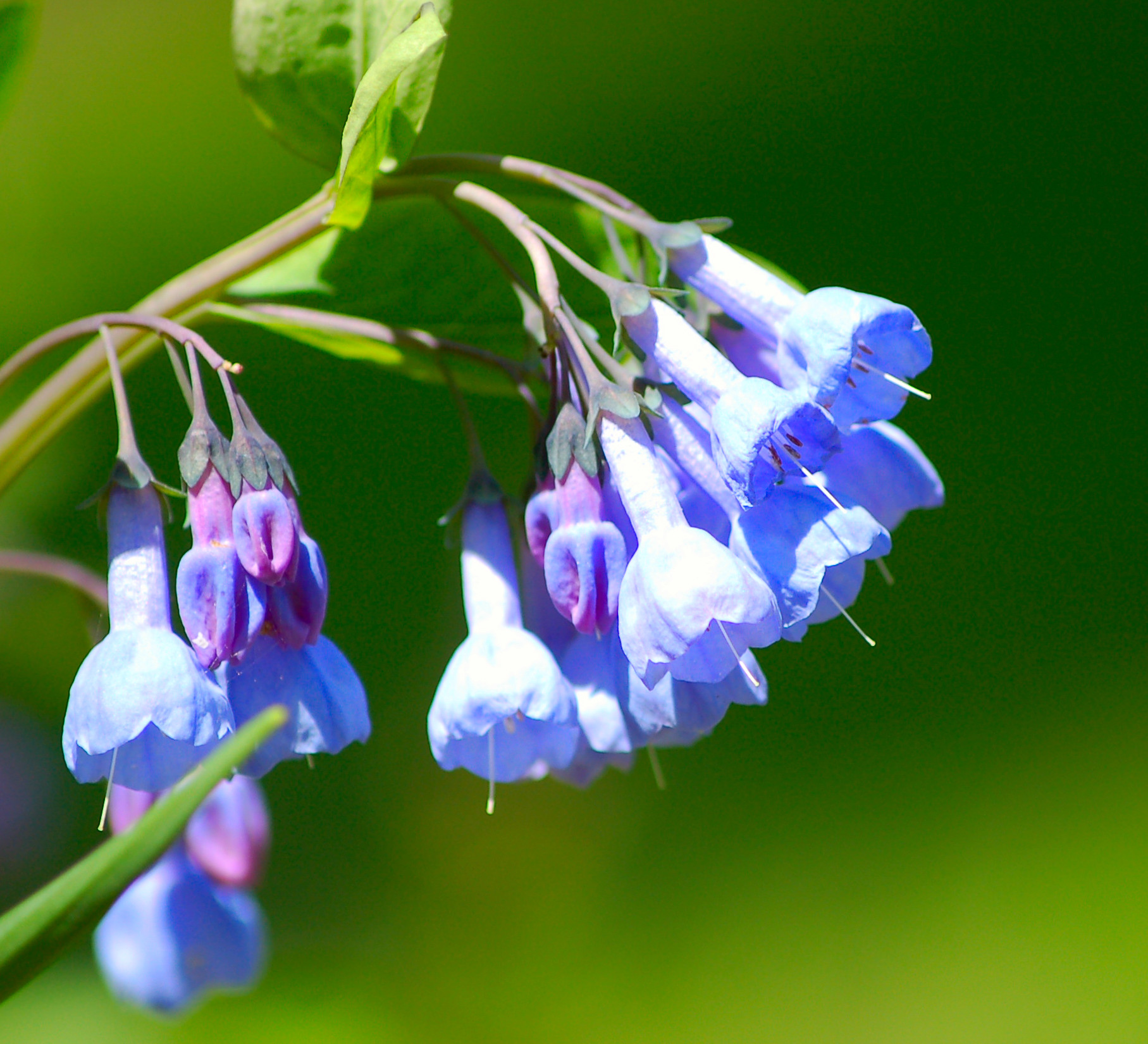
Virginia Bluebells

Virginia Bluebells

I walked back across a field to check another hollow seeing a deer and a squirrel. I, also, saw my first Scarlet Tanager and Indigo Bunting of the season. I looked for morels too while I was walking about. Shortly, I spotted a gobbler about fifty or sixty yards from me. he was strutting among the bottomland skunk cabbage. I didn’t try to call him in any closer. I just watched him do his thing for the hen.                        DSC_0027
I erected two bird houses along the field’s edge and was at the homestead by 7:35 to prepare for the bacon!!!!! I visited for a couple of hours before heading to Kittanning.

I think I may go fishing tomorrow and hit the turkey woods again next week.

White Trillium

White Trillium

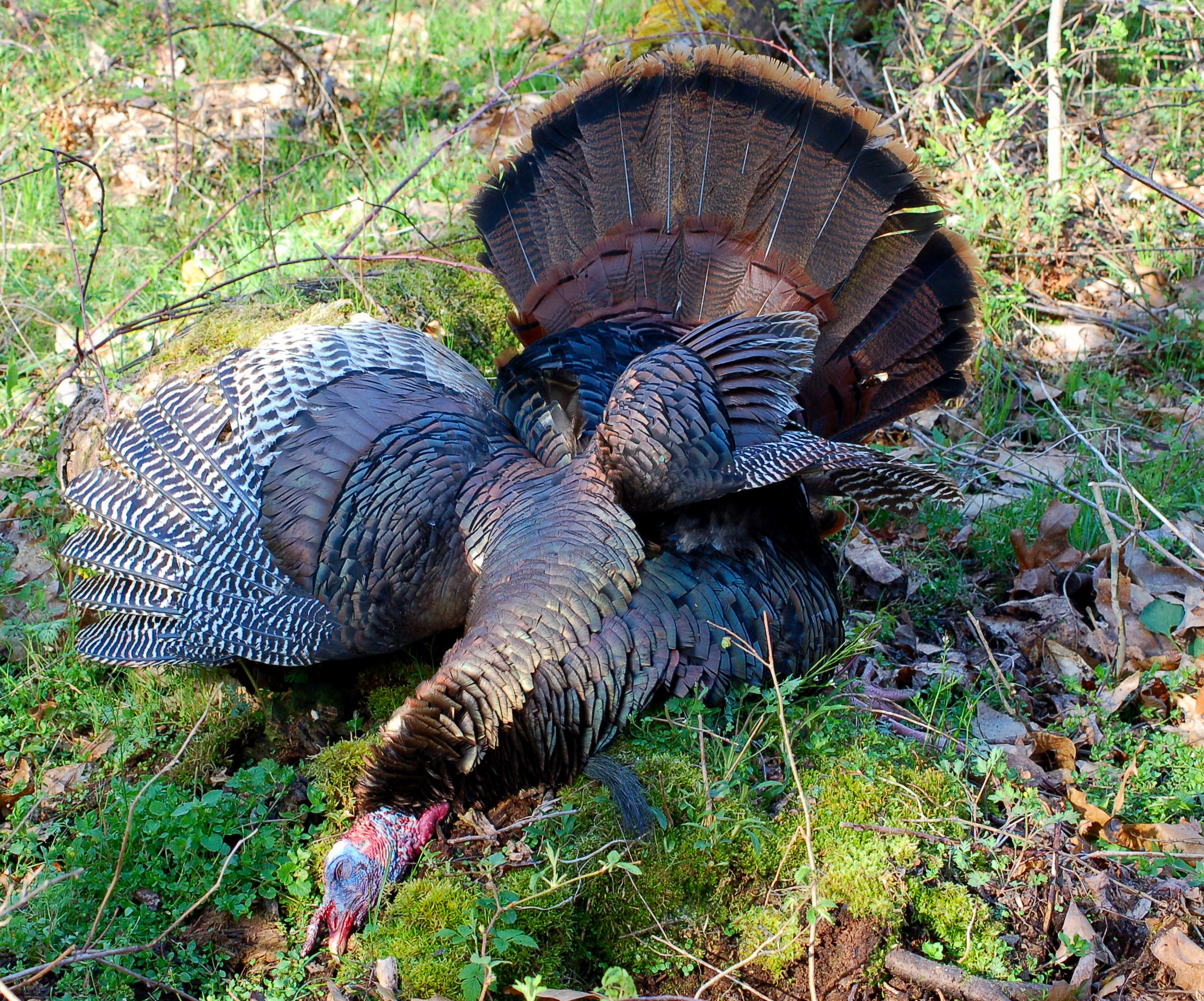
Tagged Filled!

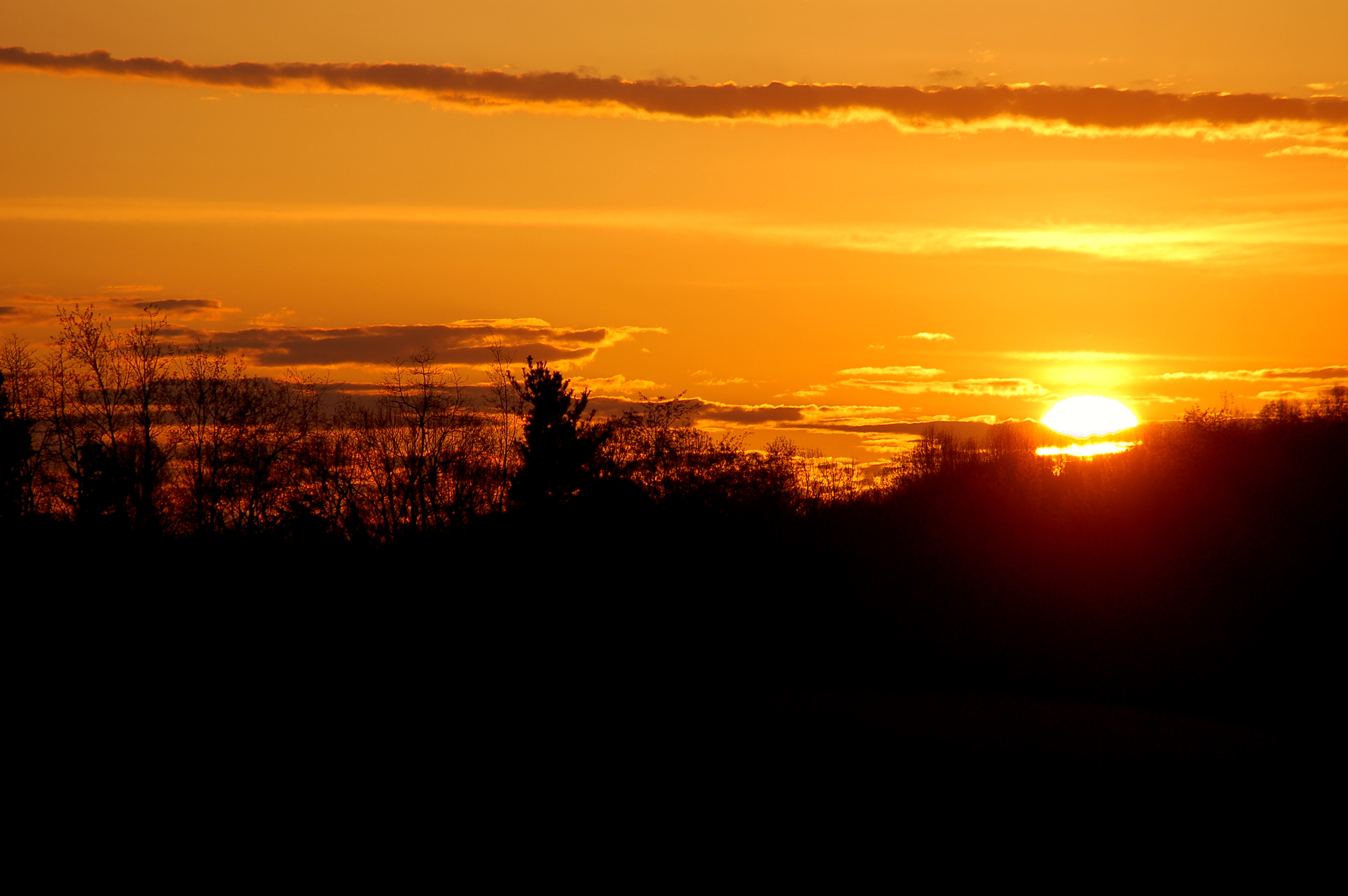
A beautiful sunrise!

A beautiful sunrise!

I sat and watched the morning sky become illuminated as I heard a gobbler sound off across the hollow and road. I waited for five more minutes hoping  I would hear another much closer. I failed to do so. I began to go back down the hill I had just climbed and try to get to the gobbler before he left the roost and get a set up to call him in.

Porcupine

Porcupine

I set down and called and I heard nothing in return. I waited and believed I heard a gobble way out across the field. I slowly began a tour of the area with calling and listening.
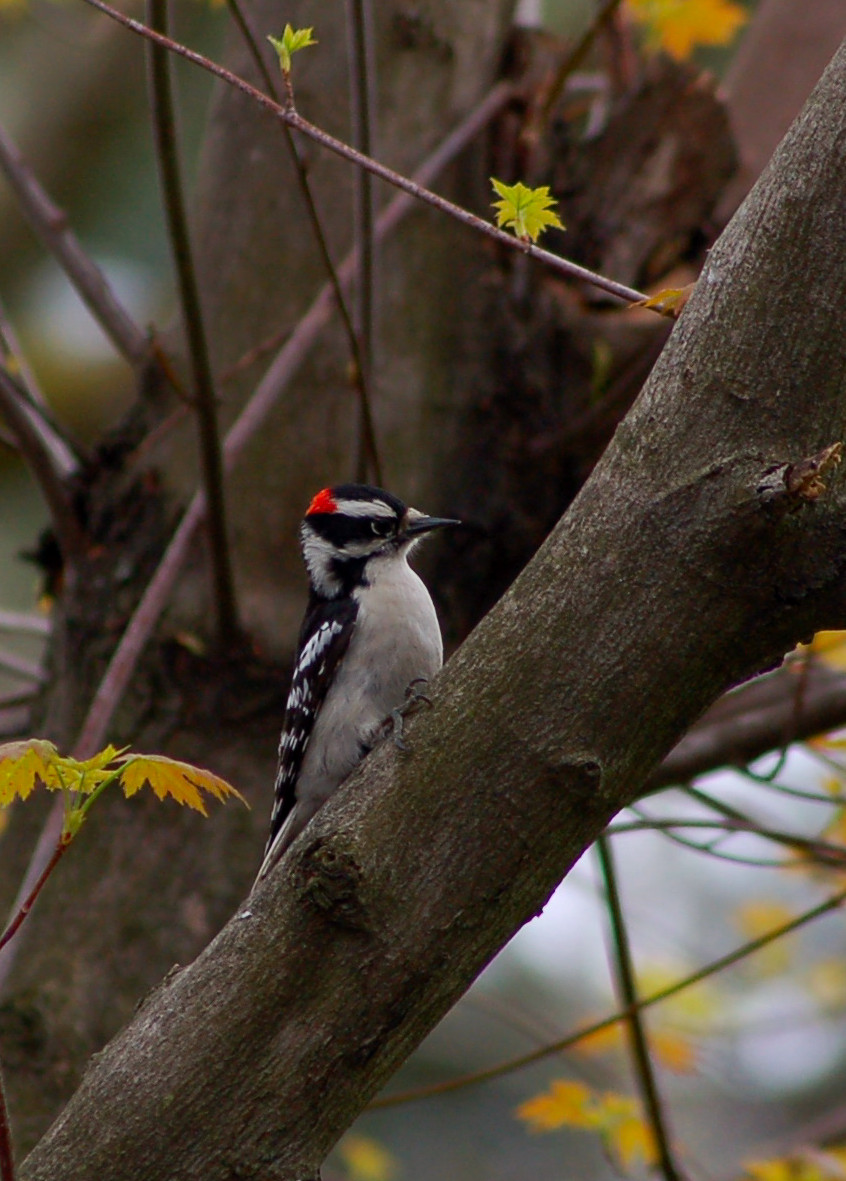
Downy Woodpecker

Downy Woodpecker

I saw some movement and noticed a nice-sized porcupine. Most of my  photos were blurred in that gloomy, dark time. As I circled around I heard a hen calling back to my turkey calls. I set up and she came in and close just chattering away. I hoped a gobbler would tag along behind her. None did!

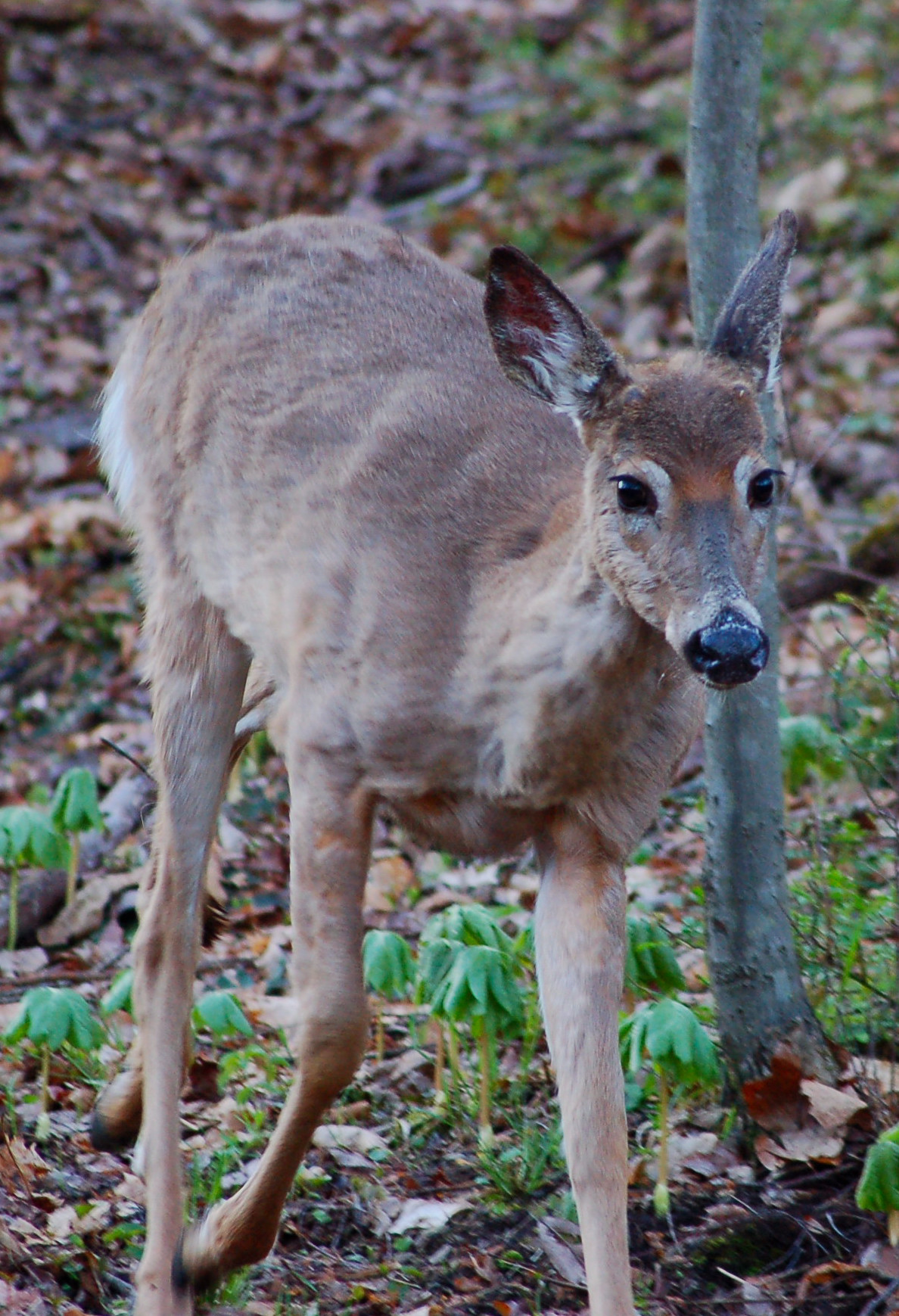
This deer almost walked into me!

This deer almost walked into me!

I saw plenty of deer and squirrels as I continued sneaking and calling when I heard it… a gobble from above me. I moved in and set up and gave a series of calls and waited. The big gobbler  crept close gobbling and strutting. I could hear his drumming sounds as the gap narrowed.

DSC_0026   He moved very slowly as I watched his approach. He was being cautious! The gobbler stepped behind some young maples and I waited for his next step. The thirty-eight yard shot dropped the bird and my first tag was filled.

The bird was a two year old with one spur being 7/8 of an inch and the other spur was exactly one inch. The beard was nine inches in length. However, the weight was unexpected. The bird was just a couple of ounces shy of being 23 pounds.

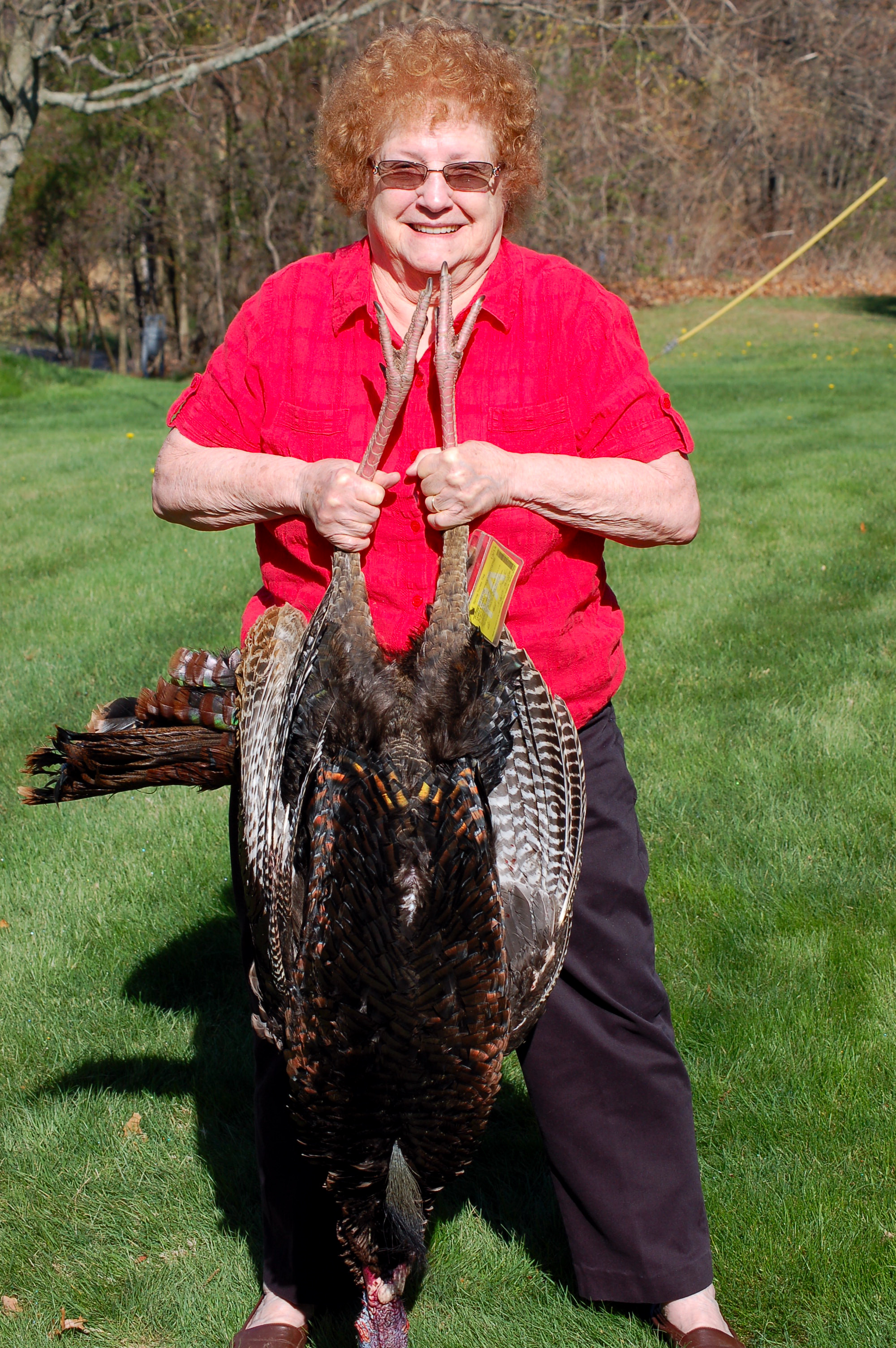
My mother, Ruth struggling!

My mother, Ruth struggling!

DSC_0028