Feeds:
Posts
Comments

Muskie Stocking

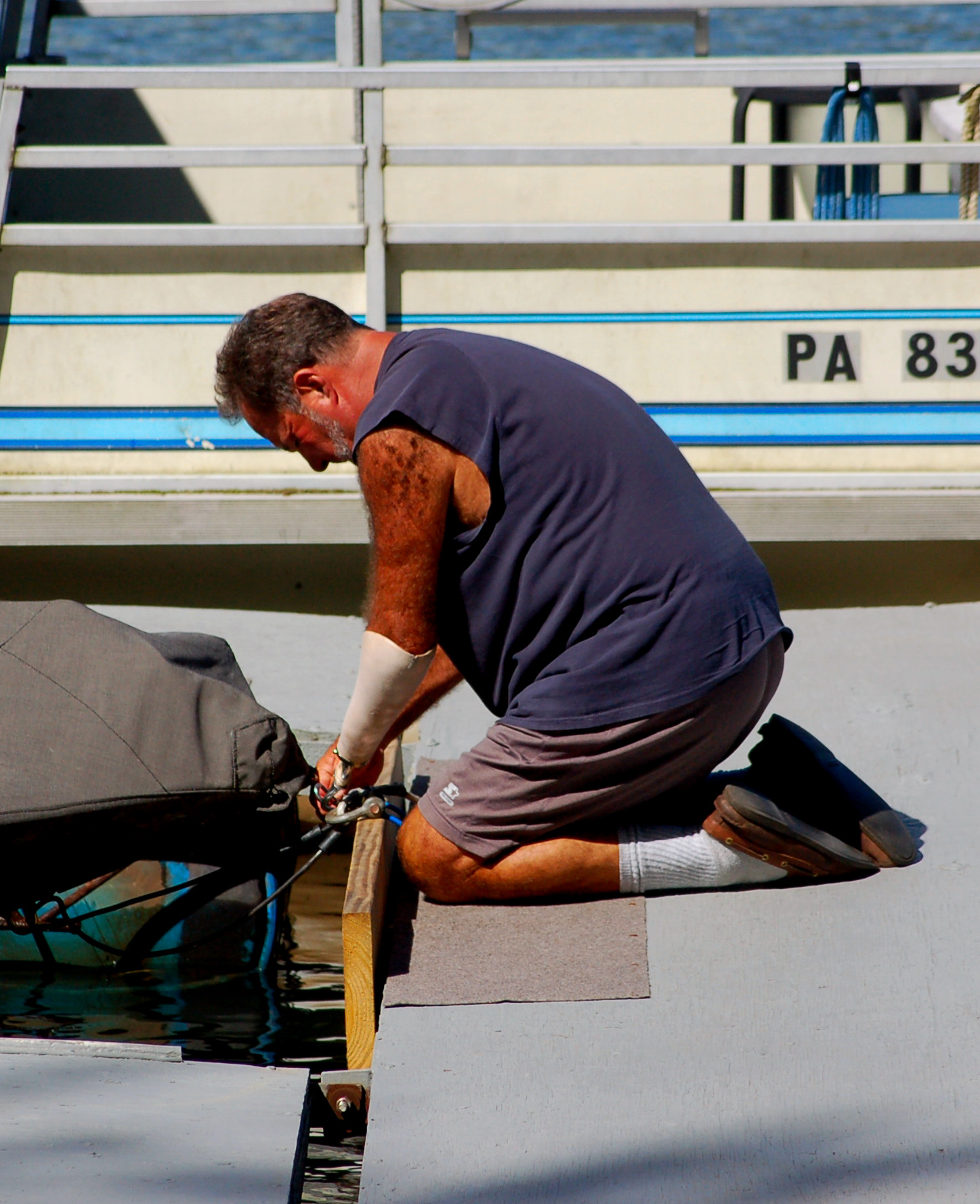
Joe Houck placing muskies into his boat.

Joe Houck placing muskies into his boat.

I knew of the scheduled muskellunge stocking for this day. The Pennsylvania Fish Commission stock truck was to be at Rosston, Pennsylvania at 12:30. I arrived on site about ten after twelve and much stocking had already taken place.
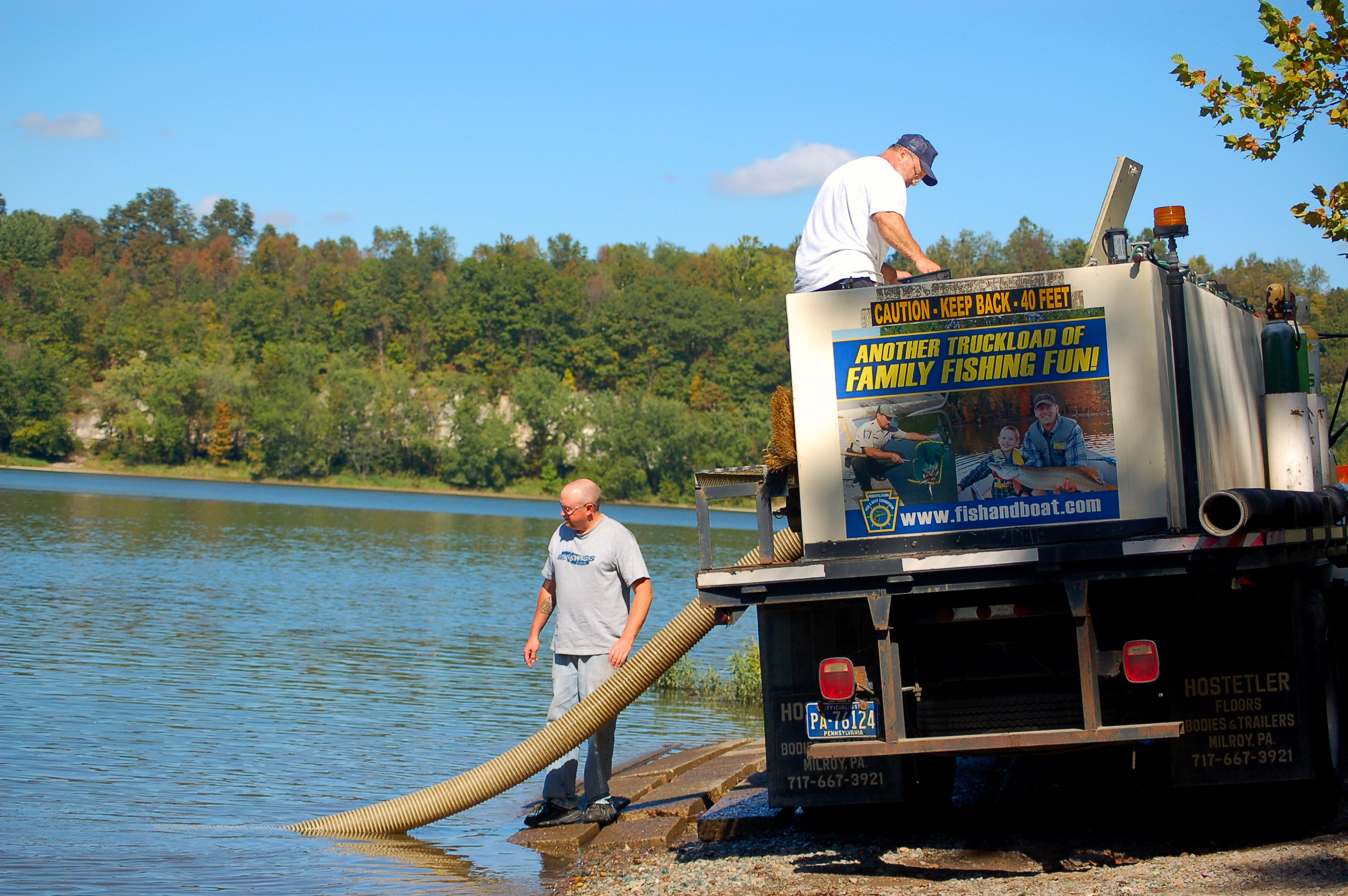
Joel Morrow helping fish commission to empty truck of remaining muskies.
Joel Morrow helping fish commission to empty truck of remaining muskies.

Crooked Creek and the Allegheny River at Rosston

Crooked Creek and the Allegheny River at Rosston

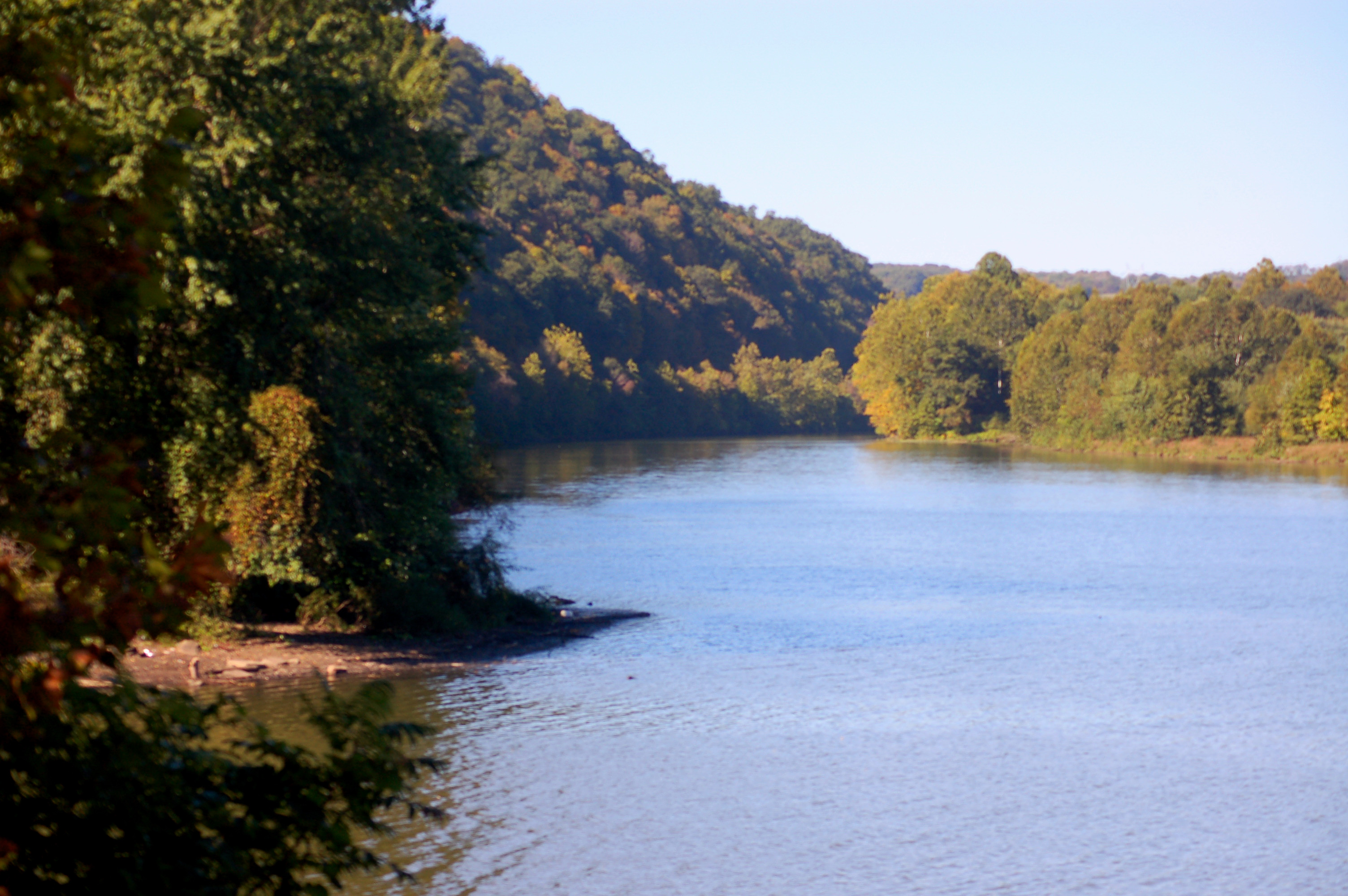
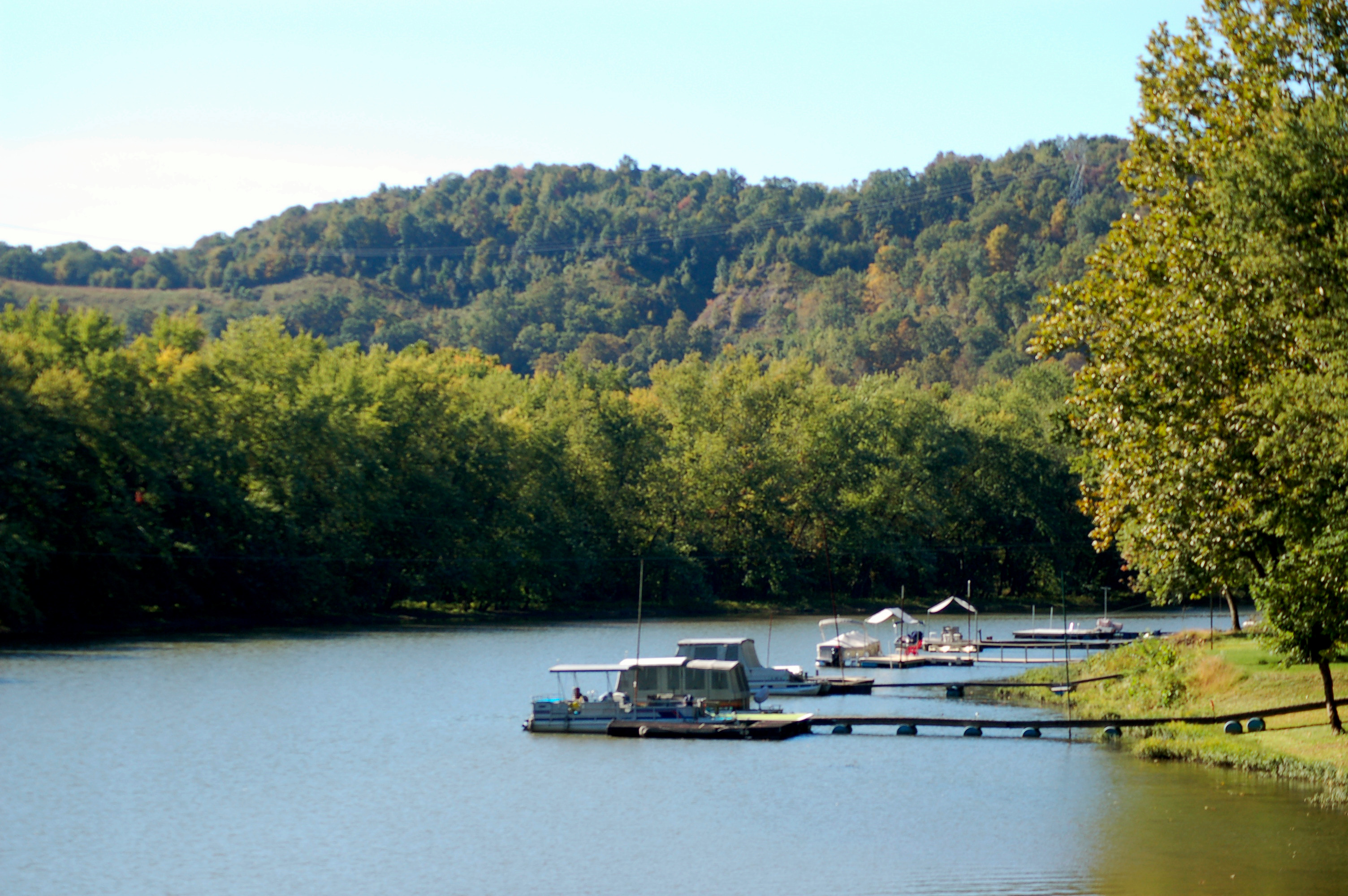
My friend, Frank Maus was already “out to sea” with his boatload of the muskie fingerlings when I arrived on site. Other muskie fishermen such as Joel Morrow and  Joe Houck were loading up to go out into the waters of the Allegheny River to scatter their future catches. These men and others were on hand to stock the fish throughout  various areas of the river. They are members of Muskie.Inc. The organization adds financial aid to help the fish commission with the raising and stocking of the young muskies. This is joint effort. Their web site is: www.muskieinc.org                                                                                               DSC_0011
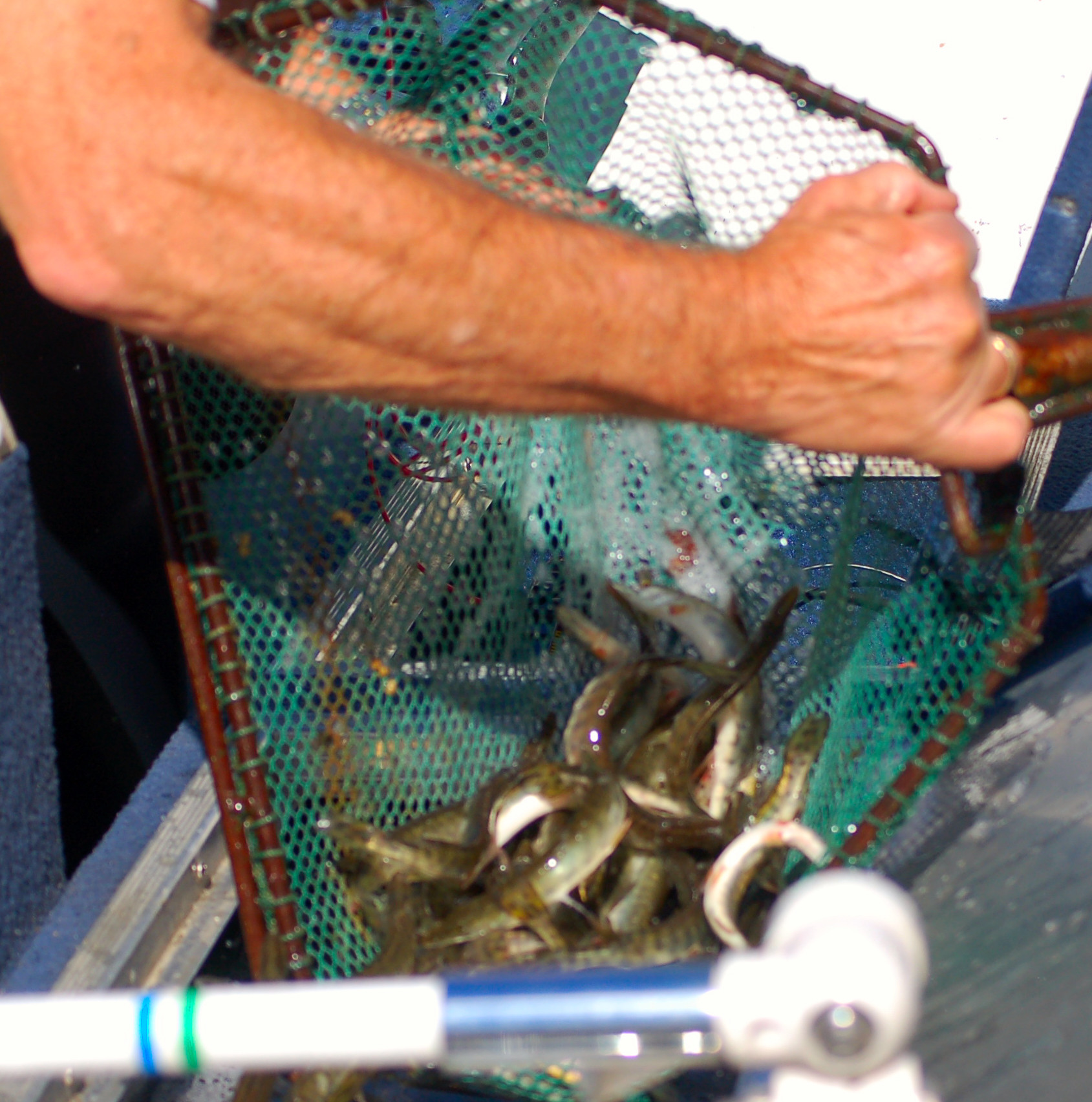
The estimate of survival is somewhere around 10%. Predation is high on all fish. Other musies will eat these fish whenever the opportunity exists. A total of around 1400 fish were stocked this day at several locations.

DSC_0022     In a few years we will be catching these beauts!
DSC_0004

Some Muskie Fishing!

DSC_0051   My friend, Frank “The Muskie” Maus and I spent some quality time on the great Allegheny River  in our quest for the muskellunge! Frank has had a dry streak and he was hoping his “good luck charm” would change the fishing.

The morning was a beautiful fall-like one with cool temperatures. Beautiful wisps of fog could be viewed lifting from the still waters of the river. We saw a small flock of turkeys and a deer while traveling to the fishing event.  Would these sightings be a positive omen.? Time would tell!                                                                                                                                     DSC_0049

The method of fishing this day would be continuing casting lures hoping some hungry ‘ski would chase and gobble up. We casted and drifted for a long time catching up on the many stories of spring gobbler hunting and fishing and other friends and past working partners.

DSC_0055    At one site, Frankie had a swirl of a fish coming close to his lure and, later, I felt a bump and saw the flash of some unhooked fish!

later while retrieving my lure I felt the tug and in short saw a muskie. Unfortunately, the muskie threw the hooks and swam away to fight another day. (We were fishing near Dan’s favorite place!) We, laughingly, kept saying that we didn’t want to catch any skies anyway for then one would have to remove them.                    DSC_0056

Well, that would be it for any fish action. In a way, the good luck charm worked for we had three potential times when fish could have been caught. So, I will take credit for that!

Frank battening down the hatches!!!

Frank battening down the hatches!!!

Other critters of the day were a great blue heron, buzzards, geese, and an osprey.

Odds & Ends

Cowanshannock Creek

Cowanshannock Creek

Since the return from the western adventure I have been busy and involved in many things.  I have walked a few times. The places have been around my homestead; Buttermilk Falls trail and the state game lands. I have been playing some music too. I have played at such places as the maple Grove Campground and the recent WTYM Country Jam. I have some other music dates coming too.

Spotted Jewelweed

Spotted Jewelweed


DSC_0007I have been restructuring and adding to a deck; yard work; landscaping and driveway work too. I am, almost, done with a new  CD I have been working on. This has been a long time in completing.              DSC_0020

I have helped a few friends over the last week. I joined a force of about 18 or so friends last Saturday morning. The project was to form a firewood relay. My friend, Slim has been feeling poorly and the force carried a large pile of firewood to his porch and stacked it. It is a great feeling helping a friend in need.

Pale Yellow Jewelweed

Pale Yellow Jewelweed

I aided another friend, yesterday, in posting his property line. The problem was that it is on those steep river hills! We managed to do in a few \ hours. A couple of older guys struggling, at times, to maintain balance is a sight to behold.
Goldenrods

Goldenrods


DSC_0344   Our western adventure is coming to a close. This last item on our agenda with any western flavor to it will be a visit to DeSmet, South Dakota. This is the homestead of a Mr. Charles Ingalls and his family.

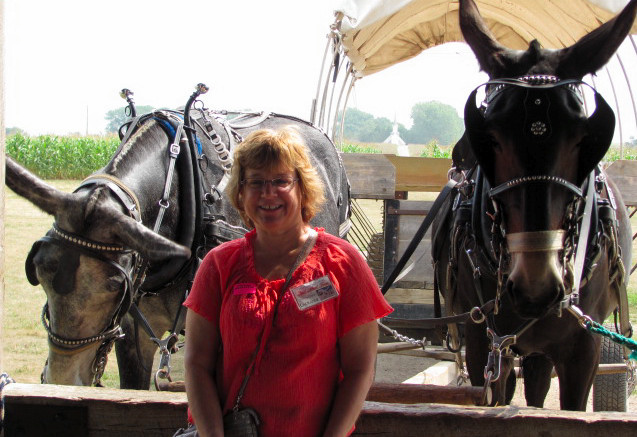
Giddy-up mules!

Giddy-up mules!

In case this place and name are causing you to scratch your noggin allow me to add a few descriptive words. Charles Ingalls was Pa Ingalls on the television show called “Little House On The Prairie.” The star showed Michael Landon and Melissa Gilbert as Laura Ingalls.

IMG_1508   This homestead and the writings of Laura Ingalls later in her life were the inspirations for the hit show. Laura Ingalls wrote a series of books on her families exploits doing her earlier years.

Was it good for you?

Was it good for you?

A dugout home was here on site to explore. A dugout was a home-built with sod and grass. Remember trees were scarce  in these grassy prairies.

Making flour

Making flour


Homestead

Homestead

A claim shanty was built at this site in 1878. Soon the Ingalls family built their lives on site. Today there is a reconstruction of their home  and barn. An outhouse is on site too. Laurie was impressed how small the home was. Ingalls dug a six feet deep well. A workable hand pump can be used by visitors. I remember using these and the outhouses in my early days through my teens.

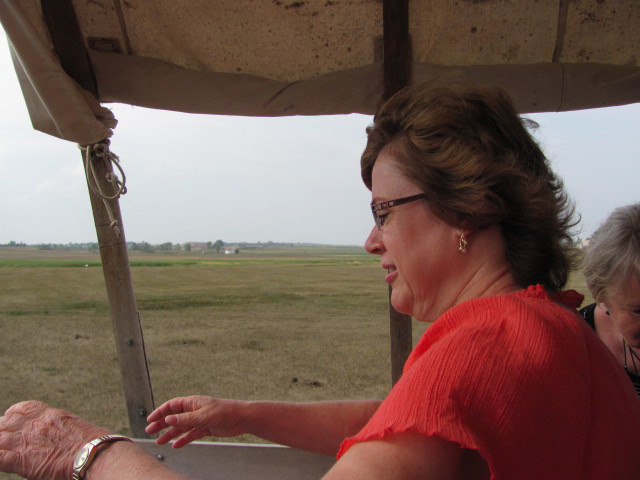
We jumped in a covered wagon motorized by two mules. Laurie took the reigns as we traveled across the property to an original one room school house. She enjoyed that!                                       IMG_1515                                                           IMG_1523

We entered the school and sat in old desks several of which were original to the school. This school was not the original to the site. The first one burned down in and around 1887 I believe. We had a chance to be educated by a school teacher of the time.

Charles Ingalls planted many Cottonwood trees. Only five of them currently exist.

The five Cottonwoods

The five Cottonwoods

We had chances to make things as the early pioneers  did. The projects included making rope; grinding wheat into flour and making corn cob dolls.

The trip east towards Pennsylvania is now full swing as we travel. Some other wildlife species we saw included the Sandhill Crane and Snowy Egrets.                                                                                IMG_1513

IMG_1520   We arrived home on August the 23rd around 8:00 P.M. from our trip to the west. We had a great time seeing many sites. Many more months would be needed to even touch the surface of everything to see. happy Trails to you all.                               IMG_1521


The Badlands

The Badlands

The Indians claimed this area of South Dakota to be “bad lands” hence the name. I have to admit as a Pennsylvania boy I am used to lush greenery. My home lands here do not compare with the countless acres of Badlands. But the Badlands do have a strange beauty about them.

Note layers of stone and vulture

Note layers of stone and vulture

The Badlands are primarily a barren, arid, sandstone and rock piece of real estate. There is little vegetation around in the immediate Badlands. However, there are grassy, prairie-like plants on the places where erosion hadn’t washed away any amount of top soil.                                                      DSC_0320

The day we were visiting them the temperature was 104 degrees. I imagined early native and trappers traveling along. I, easily, envisioned outlaws heading into and among the massive eroded slopes and rocks.  Deep, steep hills and gullies make up the Badlands. How does anything survive? How did anyone exist here?                                                                                                                                    DSC_0323

IMG_1462  I watched a turkey vulture soaring about with its shallow V-shaped wing position. Rattlesnakes are living here as well. I hoped to see one for photographs, but, I failed to see any of the ratting serpents. Other wildlife species survive and exist within this bleak-looking landscape.

The rock formations yield an array of colors. One can see whites, yellows, reds, blues, purples, browns and pinks depending on the time of day and sun positions.                                                  IMG_1497                                                     IMG_1464

As we traveled about the loneliness of the badlands began shaping more into grassy, yet treeless areas. Erosion had not reached these places. We noticed the white earthen mounds scattered about . these sometimes would cover acres of ground. We were witnessing Prairie Dog colonies.

I don’t know why these little groundhog-like mammals intrigued us so, but we were exited to see them. We really wanted to see them up close and when we stopped at a close colony we did just that.

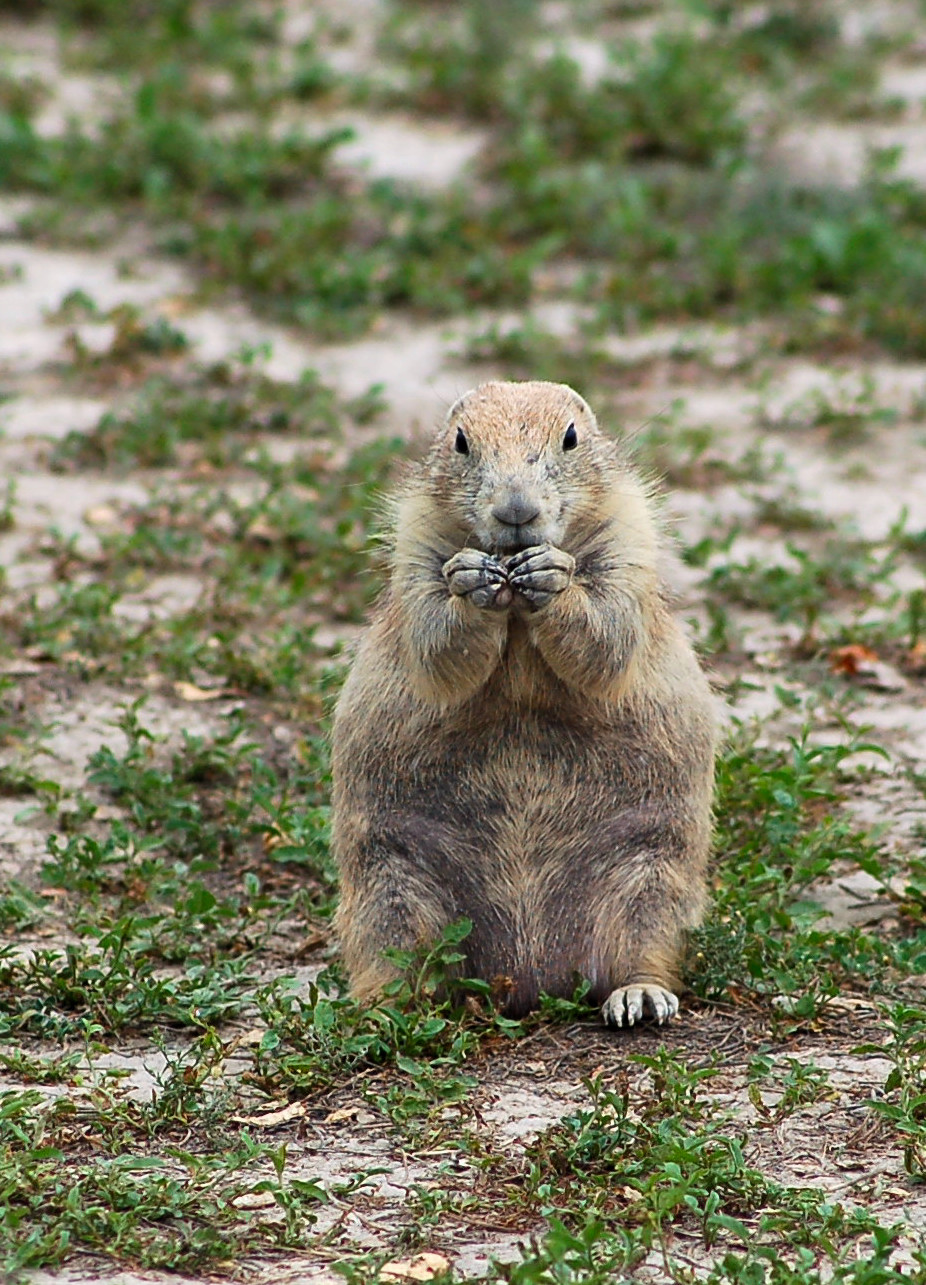
Prairie Dogs

Prairie Dogs

We immediately could see a lot of Prairie dogs. Occasionally, one would, while standing, arch its back and pull the head backwards and give out a squealing type of bark.                                                  DSC_0337

DSC_0338  One Prairie Dog, upon seeing me, walked up to me to gnaw on my shoe. I moved away allowing the little guy to approach Laurie. He did the same thing until the teeth started towards  the shoestrings. We backed off.

Two predators of Prairie Dogs are the rattlesnake and the Black-Footed Ferret. The ferret was once believed to extinct until some were found in Wyoming in 1981. Reintroduction programs appear to be promising. Let us hope so!

The Devil's Tower

The Devil’s Tower

The Devil’s Tower is a great natural wonder to view. However, the smoke of distant forest fires had hazed over the area. This smoke caused a bluish hue over the tower. Regardless, we still had an opportunity to finally see this unique formation of nature.    DSC_0275

Devil’s Tower became America’s first national monument in 1906.  In recent times, the tower was used in the movie, “Close Encounters of the Third Kind.” In the movie, the United states government had built a place to meet with UFO landings on the top of the tower.

The Native Americans of the region treated the tower as a sacred object.                                                              DSC_0274

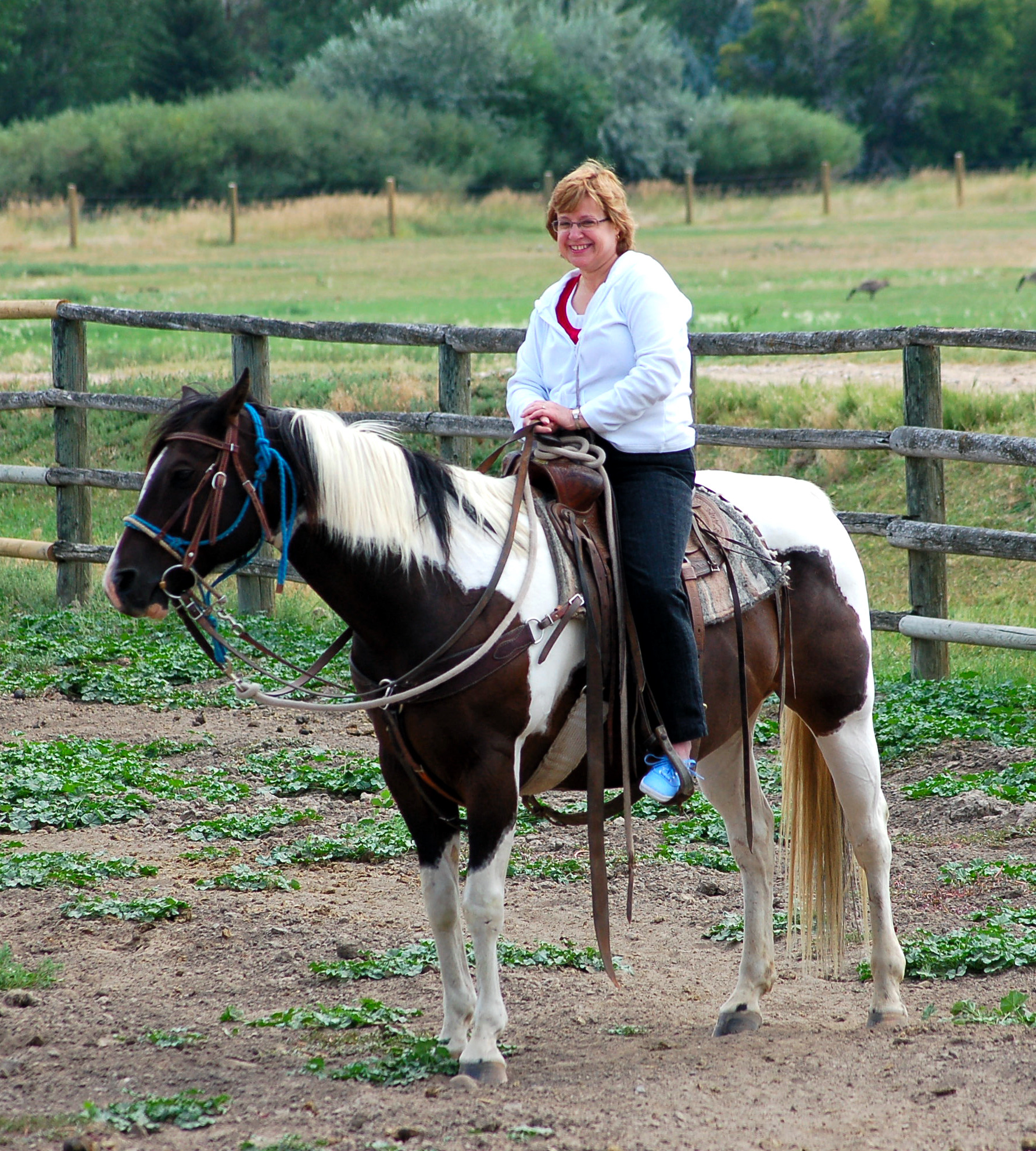
Later, we stopped at the U-Cross Ranch for a meal and horseback-riding. The ranch was a horse ranch, but, also, conducted organized hunting on the property. A ladies’ hunt for pronghorn antelope was in their future.

The people who were owning and working the ranch proved to be down-to-earth individuals. They were not political correct and that is always a positive in my way of thoughts.

Happy trails to you!

Happy trails to you!

DSC_0283 Laurie and others elected to go horse-back riding. I chose to walk about the ranch area and take photos. I enjoyed some quality time with an old-timer. (He was older than I am.)

I heard and saw the Eurasia Dove. This species of dove is larger than our native Mourning Dove. they, also have a distinct variance with their cooing. I witnessed a magpie perched on a wire too.  I am always seeking wildlife species to observe.

DSC_0284

Mount Rushmore

Mount Rushmore

I have been aware of Mount Rushmore since my youth five years ago. Well, we finally had the opportunity to see this great feat of workmanship.

The man who spearheaded this huge task of carving into a granite hill was Gutzon Borglum. His dream was to create a special place to share the American dream.  The actual work began in 1927 and was completed in 1941. Explosives and jack hammers and the work of around 400 workers made this happen. The president’s faces displayed in the carved hill’s side are George Washington, Thomas Jefferson, Theodore Roosevelt and Abraham Lincoln.             DSC_0302

Each face is sixty feet tall. For instance to demonstrate the size, Washington’s eyes are each 11 feet in length and his nose is 21 feet long. Now that is a honker!

More Black Hills!

More Black Hills!

Laurie and I walked a boardwalk that allowed us to walk under this huge undertaking. Of course, Laurie found what she had been looking for here…Black Hill Gold ear rings!

Crazy Horse was a Lakota Sioux born around 1842.his life witnessed the final push of the Sioux Nation. he would be pulled into the great conflict and take part of the infamous “Custer’s Last Stand” in June of 1876.

In the year of 1868 the Treaty of 1868 was signed with the Sioux and the United States Government. In effect it stated: “As long as rivers run and grass grows and the tree bear fruit, Pahu Sapa-the Black Hills of Dakota will forever be the sacred lands of the Sioux Indians.”

IMG_1389    When the treaty failed, Crazy Horse took up arms against the United States. After such events as Wounded Knee (The United States government massacred over 200 Sioux, mostly women and children and the elderly.) the great Sioux nation became a defeated nation….sad!

IMG_1390

Upon their ceasing hostility against the whites, a soldier asked Crazy Horse, “Where are your lands now?” The great warriors response was, “My lands are where my dead lie buried.” He was stabbed by a soldier in 1877.

The Crazy Horse Memorial

The Crazy Horse Memorial

A man named, Korczak Ziolkowski took on this huge task of creating the Crazy Horse Memorial was begun in 1948. The image of the chief’s head is complete and much preliminary terracing of the mountain. It will be many years until completion. This man died in 1982 and through private funding the work continues. The horse’s head has been outlined and the hammering and controlled blasts will someday move forward towards the final result. A museum,  is on site.

IMG_1416We had an opportunity to watch a Sioux in traditional clothing talk about the happenings and history of the Sioux, he preformed some native songs and dance as well.                 DSC_0300

Inside the lodge

Inside the lodge

Our eastward expansion crossed into the border of South Dakota. At the town of Spearfish we began heading southerly and there they were the magnificent Black Hills. The route to our lodge was squeezed between high steep rocky hills. These jutted from the ground level and mostly went straight towards the sky! The lodge we would be staying is the Spearfish Canyon Lodge. (Some scenes from the movie “Dances With Wolves” were shot a few miles from this lodge.)  

Spearfish Canyon Lodge

Spearfish Canyon Lodge

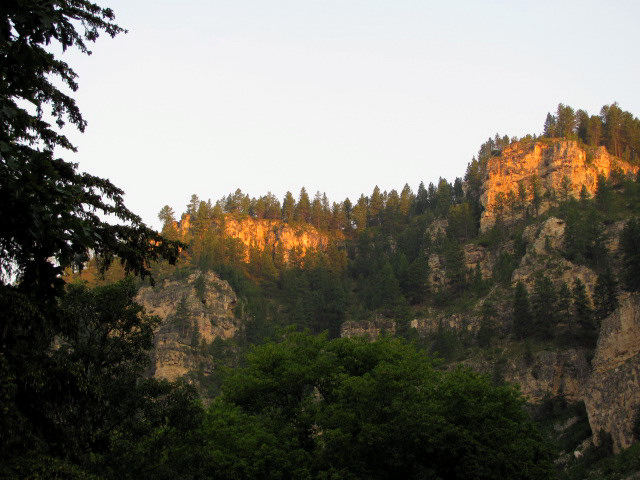
I stared in amazement at those grandiose rocky hills. Many glowed orange-yellow from the rays of the early evening sun. No wonder the Indians held the Black Hills with such reverence!

The glow!

The glow!

IMG_1353   A few native American tribes known to have inhabited this area of South Dakota were the Cheyenne; Kiowa; Pawnee; Crow and in the 18th century the Sioux. (Lakota) The latter arrived here from their earlier Minnesota range. The westward movements and the discovering of gold would eventually lead to war. The defeat of Custer in 1876 was  the result of this war. Wounded Knee is another well-known event because of this war. many Sioux women; elderly and children were massacred because of the American government’s need of these lands.                                 IMG_1354

From this lodging site we would be visiting such places as the Mount Rushmore and Crazy Morse Memorials and Devil’s Tower. (More of these adventures in a separate entry.)                                                     IMG_1367

Early in the following morning I would be exiting the lodge for a few hours of hiking. I left at 5:35A.M. This hike was in hopes of seeing the sun rising and illuminating the western rocks. I, also hoped to see wildlife. The hike was very photogenic, but all I saw was a Great Blue Heron and two kingfishers this morning. The thrill of wondering what was to be found around the next bend was exciting to me.

IMG_1387

Later while traveling to see some of the earlier sites we were able to see superb landscapes. I mentioned to Laurie how I could envision painted Sioux warriors quietly moving their ponies through the pine forests and grassy knolls. I could see these great men as if they were actually there!  Weird huh!            IMG_1456

Little Spearfish Falls

Little Spearfish Falls

The following morning allowed a shorter time for a hike. I emerged early again and headed up the Little Spearfish Creek. I wanted to see the Roughlock falls. I edged the watercourse seeing  great blue herons and a little gray bird known as the Dipper. this amazing bird feeds while walking underwater in fast-moving streams.

I discovered the falls and after some photographs I headed downstream again hating to need to cut this hike short. I approached a sizable pool of clear water and I could see many Cutthroat trout swimming about. If I only had a rod and reel!(The Cutthroat trout gets its name due to red colors on the gill cover.)        

Roughlock Falls

Roughlock Falls

                                                                            IMG_1447

Over the last copy of days I was noticing a number of white-tailed deer. I would see a lot of these deer over the next several days! We saw the broad-tailed Hummingbird too.                                           IMG_1433

DSC_0191  Leaving Yellowstone came about much too quickly, but there would be more beautiful and scenic observations to witness. We were heading east again. We traveled south of the Montana border and stopped in Cody, Wyoming. I have heard of Cody before.                                                                    DSC_0193

We saw spectacular high peaks and diversified terrain prior to reaching Cody. These hill consisted of rocky terrains in some places and very steep and others heavily forested slopes. Breathtaking is a word that comes to mind, but believe me no words can describe these sites. Photos can not capture the depths these sites either.        IMG_1302

The travel east continued and that “western feel” began to be felt again. We were entering cowboy country. Cattle and horse farms began to be viewed along the travels.                                              DSC_0244

DSC_0206   We stopped at the “Buffalo Bill Center of the West” in Cody, Wyoming.  This building proved to be a great museum. The time we had to search through this museum was not enough for  someone like myself. With my many interests a full day would have been required to explore all it had to offer.

The museum is divided into various points of interests. Of course, since I do art, I enjoyed the “Whitney Western Art” exhibit. Another great interest was the “Cody Firearm” exhibit. Thousands of firearms were visible here. There were firearms from pre-revolutionary War era to modern times. They had firearms and holsters from many of the old western television series such as: Bonanza and have Gun Will Travel….  DSC_0254

There is the “Draper Natural History” section located at this museum as well. I saw many mounted species of wildlife along with natural looking habitat.

IMG_1257   The same evening we attended the “Cody Stampede”. This is definitely a western rodeo. The rodeo featured bucking broncos; bucking bulls; calf roping events… They featured a kid event where any children from the audience were supposed to try to obtain a ribbon from a calf’s tail. There must have been close to 45-50 kids in the ring. One little guy was thrown into the air and no law suits.                  DSC_0226

The people here are NOT willing to play the political correct madness that has become thoroughly engrained within much of America. I really appreciated that! The announcers said much about maintaining their heritage.

DSC_0220   They had a “see who does the best being shot” event. Young kids playing cowboy and    would demonstrate their being shot acts. This was something I did often in my youth playing cowboys and Indians; Civil war; World war ll and so forth.    DSC_0229

We would be heading towards the Black Hills soon! Sioux territory!!

Mexican hat

Mexican hat

Old Faithful

Old Faithful

If one mentions Yellowstone Park and most people will think of “Old Faithful” Geyser. And no wonder for many. many years this famous geyser has faithfully displayed the show to thousands. The hot water eruption occurs approximately every 80-90 minutes currently. We finally were able to witness this interesting display! The water shots from around 135 feet to 180 feet in height. Approximately 3,200 to 8,400 gallons of hot water is shot into the air each time it erupts.                                                             DSC_0115

Old Faithful was discovered in 1870, but I am sure the Indians of the area had known of the display many years prior to this.


The fact is there are over 300 geysers in Yellowstone. We saw a few others too.

IMG_1205           The variances in geysers is interesting as well. Fountain geysers erupt from broad pools. Cone geysers burst through narrow rock vents. however, Old faithful is the most recognized of them all.                                            DSC_0095

Another unique feature of this area are the hot springs. These continually yield water flowing to their surface and leaching out and about. Steam is usually present  too. The water temperatures vary from around 150 to 170 degrees.  These may produce very deep pools of beautiful green to blue colors. Colors vary due to temperature and the bacteria growth within.

Mammoth Hot Springs

Mammoth Hot Springs

DSC_0167  Mammoth Hot Springs is one of more viewed of these hot springs. They are created by hydrothermal waters flowing through and interacting with rock and limestone deposits. These dissolve into calcium carbonate. The water flows from out and the deposits settle and grow. The Mammoth Hot Springs is very high with deposits and growing. The park has board walks throughout to walk and wonder.

Other sites are known as “mud pots.” These plop and make gargling sounds. hydrogen sulfide is converted to sulfuric acid which break down the rock and clay into mud. The mud is of a consistency of a milkshake. The smell of “rotten eggs” is noticeable here.                              DSC_0094