Feeds:
Posts
Comments


Andrew Blaney and Jim Johnson

Indeed, I have been involved in many things over this last week. Beginning  on August 4th through August 7th, I was at the Armstrong County Folk Festival most days. I was dressed in  civilian manner along with members of the 62nd Pennsylvania Volunteers, Company D. Thismembers of this  group are Civil War Living Historians. I had the completed and framed painting of “The Wheatfield-Whirlpool Of Death”on hand to exhibit and discuss. 

Kaison Wolfe with my painting

The only day I was not involved at the festival was Saturday the 6th when I spent eight hours near New Alexandria, PA making some country music this time.

Monday, August 8, my friend, Robert “Slim” Bowser and I went to Pittsburgh to discuss having prints made of the above mentioned painting.  Later in the evening, Laurie and I attended a MS meeting with a catered meal.

SGL Bluebird Box

  Tuesday, I was beat. I wasn’t very productive for much of the day. I did some yard work and I did work on another painting. I am considering entering this waterfowl painting in the Pennsylvania waterfowl contest this September. I haven’t entered in quite some time.

Cooper's Hawk

   Wednesday morning, I stepped outside in the coolness and decided carp fishing should take a priority. I loaded up, after administrating Suzie’s insulin shot, and headed for the mile long hike to the local state game lands pond. The walk in introduced me to a small flock of turkeys.

The fishing didn’t disappoint me either. I caught four carp ranging from 14 inches to about 20 inches. The “close to shore” activity was low this morning, possibly from the rain and slightly higher water in the pond…more food???

      The walk out from the pond was enjoyable. I chose a different route to exit and heard a fawn bleating and shortly saw a fawn and its mother. They were about 25 yards away. I managed one quick photo.

I spent the remainder of the day working around the yard, mowing and painting. Later, near dark, I watched flying squirrels at the feeder.

Flying Squirrel


Bob and mom with the trophy

  My step-father, Bob Miller received the first place honor at a car show at Elderton Pennsylvania. The event was held on July 30th, 2011. I had forgotten about the show until Bob and my mother (Ruth) pulled into the drive way later that same evening. I watched Bob glowingly remove his first place honor from the car.

Bob has a 1954 Chevy Bel-Aire with only some 26.000 original miles on it. And it is a beauty!Bob has placed in three shows since his first show last year. He has placed second and third in previous shows.  (He has only entered three shows too.) This is his first “First Place” trophy.

Congratulations Bob!

For photos of this car, please click on “My Family” at the right column and go to the June19, 2010 blog.

My cousin, Donnie Smail received second place in his class with a 1972 Mach 1 Mustang. I think I will enter myself as an old antique something or rather next time. Ya just never know!

Love Those Carp

My Wednesday “TO DO” list had three early morning possibilities listed. One was a hike and one was a bike ride and the third was carp fishing at a local state game lands pond. I chose to hike to the SGL pond to fish. However, my plans needed altered for a bit. My cousin, Donny Smail called me Tuesday evening to make some stencils at the Kittanning Township Firehall.

I met Donny about 6:15 and began measuring and placing letters onto cardboard to make the stencils for the words “NO PARKING“. I placed the cardboard in my vehicle to cut out later in the day and off to fishing I did go!

State Game Lands road

  The walk to the pond is a mile. Usually, one sees deer or turkeys, but this day was void of sightings. I approached the pond cautiously already seeing hints of water disturbances from carp activity.   The first cast close to shore landed a small carp. The next two hours I caught eight carp from about 14 inches to about 22 inches. What a morning!

    Two carp broke my line and another threw the hook out at a high leap out of the water. Most were caught by my carp stalking techniques and close to the shore. Several of the bigger carp really gave me and my rod and reel tackle a work out!

The negative aspect of the carp is the habitat destruction they can do in ponds. They root around in the shallows easily disturbing  other fish nests harming the populations of bass and bluegills and the like.  They can make a pond very dirty with the bottom mud disturbances too. Many specie prefer clear waters  for optimum  survival. But, since the non-native carp has firmly naturalized in Pennsylvania waters, as well as most waters across America, one may as well enjoy fishing for them.

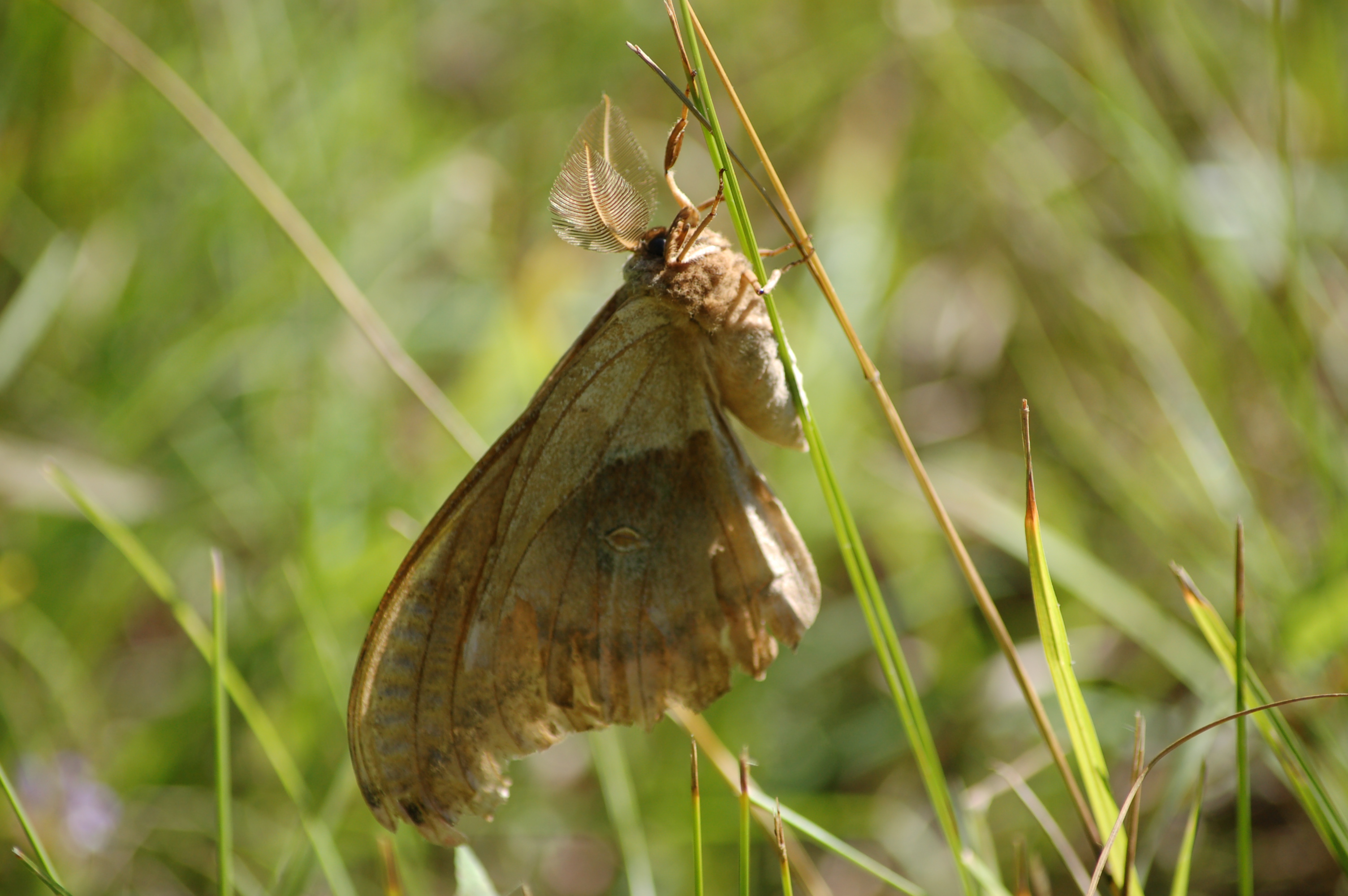
Polyphemus Moth

  Personally, I have never eaten carp. My father said he ate them in WWll. The German civilians would cook them up for the soldiers and my father said the fish were good to eat. My dad said he tossed gernades into small water areas to gather up the fish.

While walking out from fishing I notice a Polyphemus Moth on some grass. The moth was not doing well at all. His wings had lost their luster and colors. The moth’s existance is not long.

Smoke-In-The-Sky


Smoke-In-The-Sky

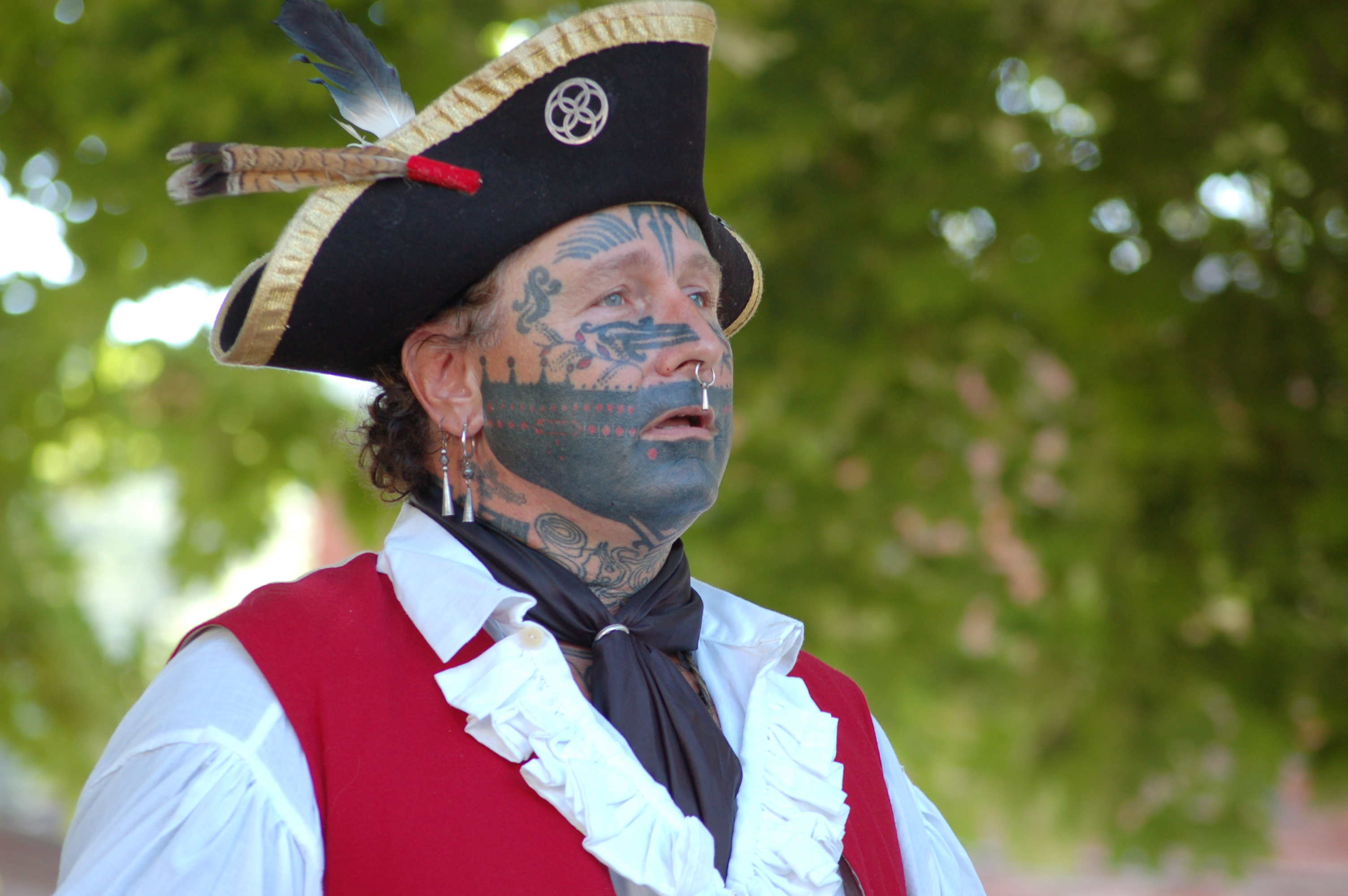
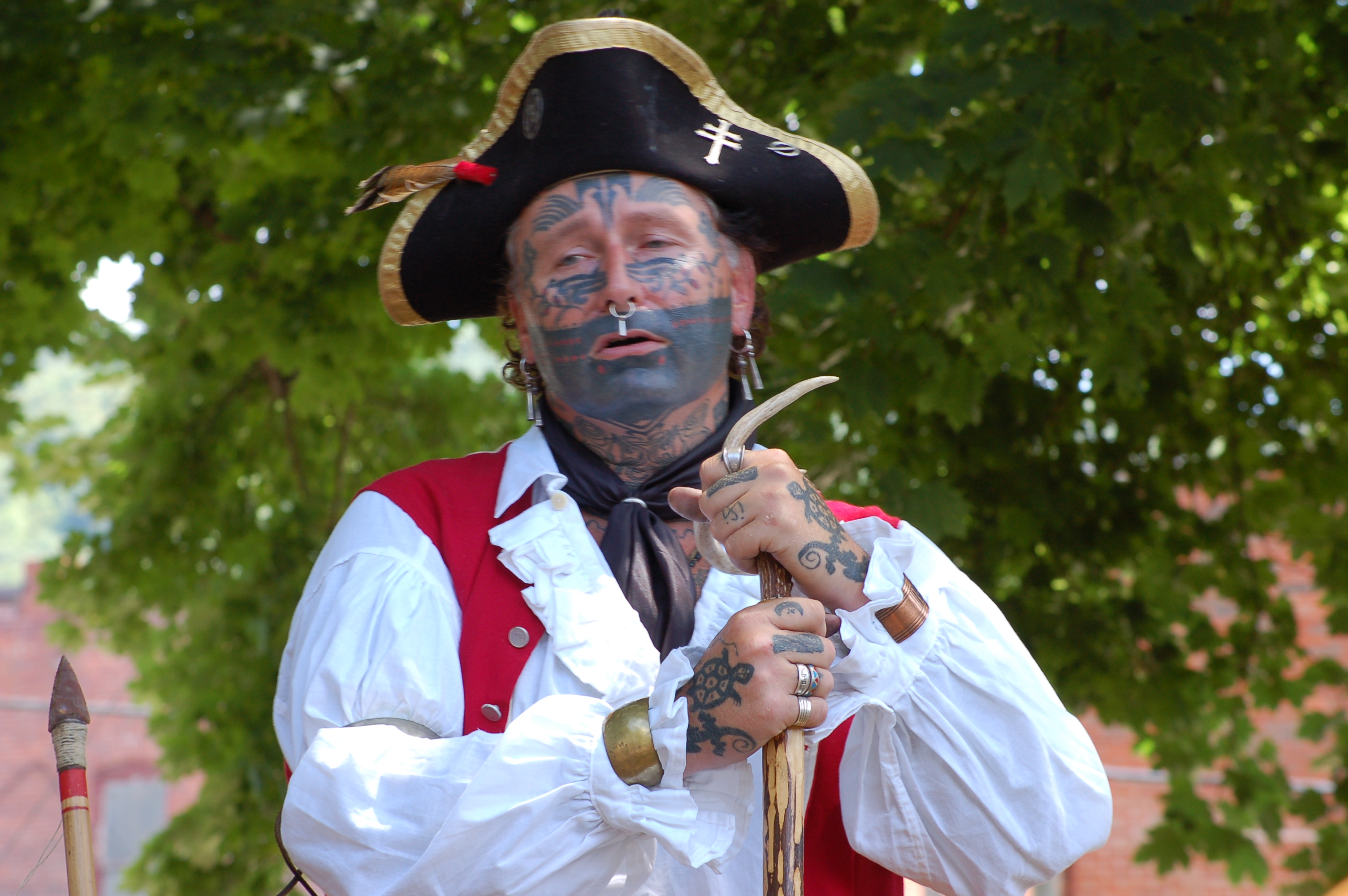
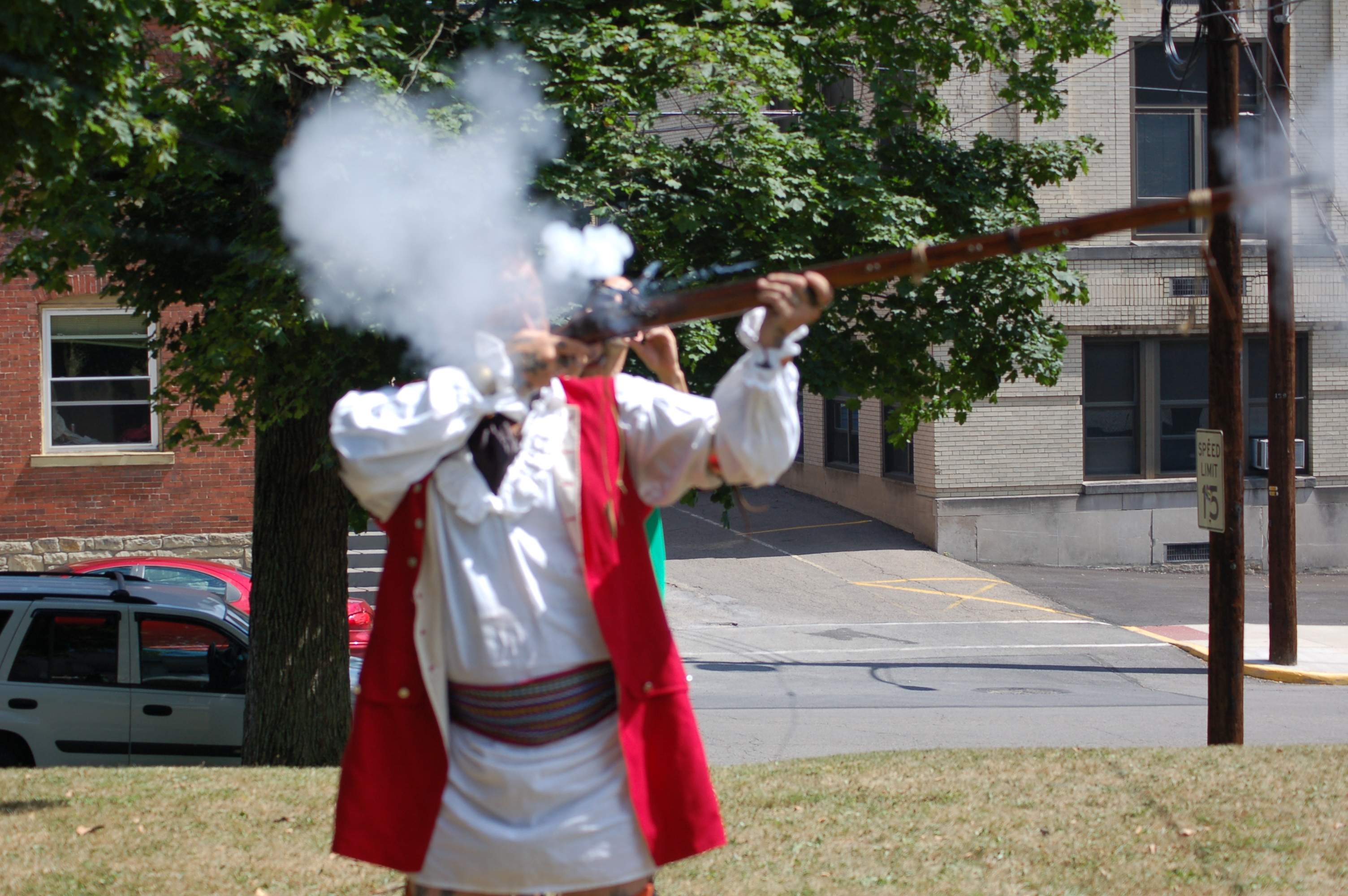
   Smoke-In-The-Sky, (a.k.a. Jon Miller) of Hopwood, Pennsylvania spent hours at the Armstrong County Historical Museum in Kittanning on July 16. The heavily tattooed Jon, was dressed in period correct clothing often found in the 18th century on native-Americans. The Indians of that time commonly would be observed wearing clothing of the “white man” after all their influence and trade had been around for many years by the time of 1756.

    You may quickly notice the tri-corn hat on the head. This could have been gained through warfare. The red vest too may have been taken from a British soldier. Regardless, white man clothing was popular and obtained in many ways.


How to tattoo.

   The crowd was constantly present. Jon didn’t even have time enough to finish a sandwich due to the interest and questions. He had many items of interest to show on hand too. A couple of loud powder shots from his musket occurred to further enhance his presentation. Tattoos were completed on a melon to show the styles and technique of the native way to tattoo. Thorns, fish teeth and bluegill spines were the instruments used.

All in all the day was perfect for this event. A nice breeze and the shade of a very old sycamore helped to keep all cool.

Smoke-Around-the-Head

  Many drifted to walk about the museum too further educating and informing of our local history.


Muskie Fishing

      Fishing for muskies is rather new for me. My first venture with the muskie challenge occurred a couple of years ago when, my friend, Frank Maus invited me on his boat for a fishing excursion. Frankie is an expert on muskies. He would, probably, tell you otherwise, but to me he is very knowledgable about the specie.. 

    I met him early at his home where I saw a turkey walk into a field. As we began our trip to the Allegheny River the rain started. The moisture continued even for a time while we surfaced fish. It never rained hard enough to think about quitting.      

Citizen's Bridge at Kittanning

We casted surface plugs for two hours and I was fortunate to see a swirl one time. Additional casts produced nothing.

We began trolling around 11:00 and continued trolling until about 3:30. We were blessed with a beautiful day after the rain subsided. A front was coming through pushing out the heavy clouds into a clear sky loaded with fluffy cumulus clouds.  We commented more than once as to how great the day turned out.                                                                                  

A diver from the bridge.

We reminisced about the old days at work and some of the incidents we had witnessed. We laughed a lot at many of these incidents and those involved.

   The catch!  The afternoon finally produced a strike and Frank landed a muskie. The fish was somewhere around 30-32 inches. Frank plays the fish fast and tries to remove the hook and release the fish as quickly as possible. This helps insure a better survival rate to such a spectacular fish.

Cormorant

  Other wildlife we saw was a deer along the shores; lots of geese; some mallards; a kingfisher; some herons; gulls and an immature cormorant.

Thanks Frank for an enjoyable day on the waters! 


     I had a couple of errands to do and Laurie and I decided to go for a walk along the Allegheny River at the park in Kittanning. The morning hours were beginning to become rather warm as we walked north and south on the river banks or in the park. Few people were involved at any park activities.    

I carried my trusty camera along for I knew wildflowers and waterfowl would be present somewhere along the banks.  I wasn’t disappointed as a lot of colors were to be observed.

    We, also, saw some mallards and mergansers on the water. We saw some chipmunks, one of which was at the amphitheater and hadn’t a quick place to dart into to. He ran the total length to escape.

We chatted with some friends and strangers before heading home.

Male mergansers


        Copyright Laws Apply To painting                
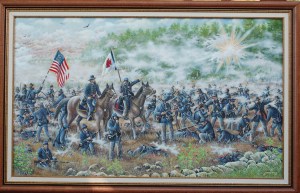
The painting (colors are not true)

       The challenge of painting a Civil War battle scene has been completed. (I have mentioned the progress with a few past blogs.) The scene depicts the Wheatfield, an actual Gettysburg battle that occurred on July 2, 1863. This event was a very bloody battle with many casualities.The union forces were caught between a three-way confederate shooting area and in an open wheat field. My official title for the painting is:

THE WHEATFIELD-WHIRLPOOL OF DEATH (GETTYSBURG, JULY 2,1863).

The painting came about through a friend, Robert “Slim” Bowser. Slim is a Civil War historian representing the 62nd, Company D, Pennsylvania Volunteers of the John T. Crawford Camp#43. This was an actual camp for training soldiers for this war located in Kittanning, Pennsylvania.

Slim’s interest in the Civil war was thrusted upon him as he learned of an ancestor (Sgt. Daniel Swigart) who fought with this 62nd regiment and at the depicted battle.  This distant relative is buried at the Pine Creek Baptist Cemetary in Armstrong County. He became a Baptist minister after the war. He is in the painting holding a Bible. A further quest for knowledge happened and an interest in the Civil War erupted from this quest.

Our initial discussions helped spur my interest also. The challenge would include a trip to the actual site; borrowed books and a DVD along with questions and hours of research. My biggest concern was in my ability to capture this battle and produce a good, informative painting. You will need to make that determination.

The painting for me began with some very rough and childlike sketches (scribbles to many)to capture various potential compositions.  As these ideas evolved a painting size of 40″x 24″ seemed to work best for me. The battle story could have been told much better with a larger size, but I have drawing table limitations.

Those early, initial sketches were redrawn  in the rough on the paper sized to the 40″x24″. I believe I did, at least 5 papers of this size each time refining the art in detail and adjusting positions of the soldiers. (There are over 100 soldiers within this painting.) 

With a prepared and gessoed masonite panel I roughly sketched in the hills and transferred the soldiers. The painting began with the “slapping” on the paint colors to just get the feel of the art. Then the process of adding layers and accurate colors began.

I had to constantly use my brain (haha) to try to envision what the scene may have looked like at that particular time and day of July 2nd, 1863. I had documentation of the day being hot and humid. This part of the battle occurred after 6:00 P.M. We know from reports that the smoke-filled sky created an eerie red as the sun lowered against the western skyline. We know light winds, later in the evening, gently removed smoke around and away allowing for the moon to be viewed that night.

I know, at times, the distant ridge (Emmitsburg Road) and the wooded area of the painting (Stony Hill) would have been completely obscured with smoke. I used artistic license to allow these sites to be viewed.

I realized at the end of June that the painting  could possibly be completed on the actual day of July 2, 2011… and it was! I didn’t plan the completion that way, but it just happened to work out that way! This fact was quite a coincidence and somewhat humbling

We are discussing options, at this time, as to what will be done with the art. We may do limited edition prints and tee-shirts. Time will tell.

The soldiers painting in the art represent the 62nd (Company D) Pennsylvania Volunteers many of which enlisted from Armstrong County,Pennsylvania. Slim found out one of my ancestors, Simon Blystone (See May 29th blog for more on Simon Blystone) fought at the intersections of the  Emmitsburg Road and the Wheatfield (Millerstown) Road . That site would be behind the wooded hill depicted in the painting.

The first showing of the painting will be at the Kittanning, Fort Armstrong Folk Festival on August 4  to August 7. The art will be with the Civil War group representing the John T. Crawford Camp#43. Of course, this will be weather pending and only at various times when manpower permits.

(A more professional photo of the painting will be listed in the future.)

Carp Stalking


Buffalo Creek

   The carp is a fish common to our waters here in Pennsylvania. However, the carp is not a native fish. The carp was introduced many years ago and the specie has entered many waters. Buffalo Creek, where I was this morning, is one such stream. This stream is an approved trout stream.

A fun way to fish for carp for me is to stalk them. This method is to search them out by visually searching for them. I sneak along watching for stirred up mud or the golden-colored tail. When the carp feed they often tip with their head and mouth down at an angle stirring up the mud bottom. The tail is closer to the surface and can be visible if the waters aren’t too murky and glare issues can be overcome. Sometimes one can see the fish swimming along too.   

The Carp

Today, I caught two carp and one broke my line. I was hiding in the tall perennial vegetation that grows along waterways. I would cast near the carp when an opportunity occurred. I use no weight and often cast my spinning rig much like one would do while fly-fishing.

Heavy and strong!

When the carp takes the bait the usual reaction is for the fish to hit hard and move fast. Hang on! What a fight these muscle fish can do. The largest I caught this morning was, at least. twenty inches in length. the one carp took off up-stream with me trying to keep up with tension on the line. The carp went into deeper waters and became entwined among submerged logs. It took some effort and luck, but I eventually reeled him in.     

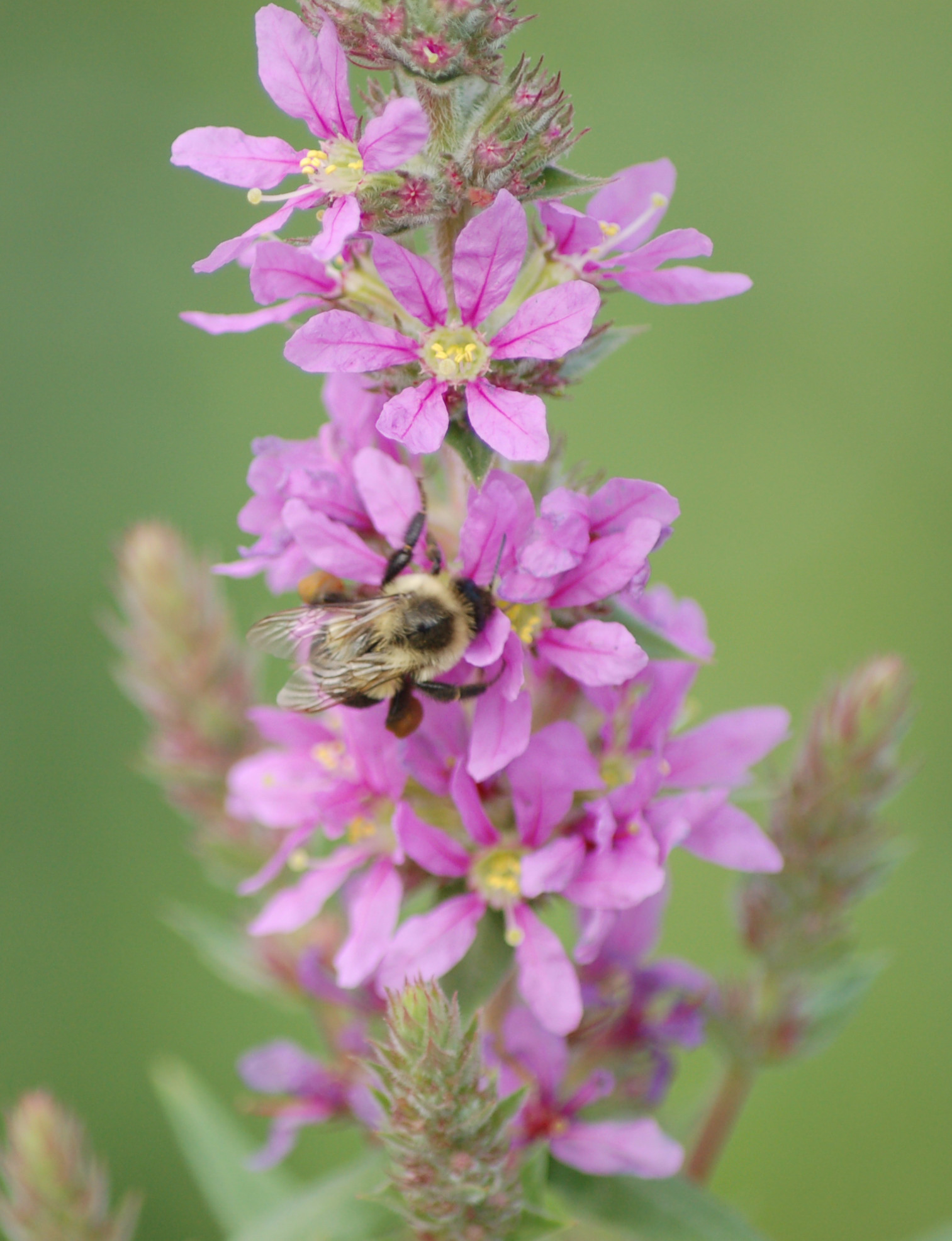
Swamp Milkweed


Cherry Run

The Maple Grove Campground is next to an approved Pennsylvania trout waters called Cherry Run. I have been around this creek all of my life in various ways. I have fished, trapped and hunted on or about this creek. I have learned history of those of past people and times who made their homes along these waters. In my youth, and continuing on today, I find relatives among these hills and hollows. Many great and cherished memories surround this watershed.

Brown trout

     My father grew up at the intersections of SR 422 and the Margaret and Brick Church Roads. My mother grew up near Rearick’s Ford. This site is farther south between the mouth of Cherry Run and Crooked Creek.  Rearick’s Ford is another several mil;es south along the Crooked Creek. The areas between their two homes yielded many relatives over the years.

Wter Lily from wetland area

   On July 1, I knew I was to play music at the campground so I allowed extra time and an old pair of shoes to be included in my vehicle. I began my   wade/hike north on Cherry Run. I visited a man-made wetlands all the time taking photos and seeing any kinds of wildlife I could. The stream was low due to the lack of rain. I still manged to become saturated to the knee in some of the deeper holes. (There were some holes deeper than I cared to walk too. I circumvented the deeper water areas.)

Note the beak!

  Years ago I would sometimes wade the middle of certain sections of the creek armed with a four-foot fishing rod. The thick bank vegetation would not allow access any other way. The snakes never bothered me as they would drop from limbs into the water to escape my approach.

I saw some trout in the water. I, also, saw a great blue heron and a green heron. I saw numerous specie of bird life; one deer; only one snake and a squirrel.                                      

Shed water snake skin

     Bob and I went for a short walk down the road where I grew up along Silvis Hollow Road. The very comfortable summer weather was inviting.  I pointed out some initials carved into the rocks that border the old “Joe Blair Hill”. This is the name we locals call this hill since a lawyer by the name of Blair lived on the flats just prior to going down slope on this hill. I am sure the initials were of some relationship to the Blair family.     

   Along the way, I showed Bob where I had earlier taken the photo of a buck and doe. The photo turned out better than I expected due to the darkness of the early morning woods.

We later turned north onto the Rupp Church Road and shortly exited to travel along through the woods. I showed Bob some of the areas I trapped, hiked and hunted as a younger person. I found it great to see old haunts again.

Milkweed blossom

  Later I dropped off some rocks at my friend RandyTost’s home. He wasn’t home so they were left on the porch. Randy is wanting to make some tomahawks for his grandkids. He plans to insert the rocks into live trees and allow the ends to grow together to engulf the rock. This was a method used by Native Americans in the past. Whoops… he now knows where the rocks came from.   Me and the river!